Showing posts with label healthy eating. Show all posts

Thursday, August 24, 2017

Back to School Lunch Tips (Plant-Based)

Summer is coming to a close and before you know it, school will be back in session. Although school lunches have come a long way in terms of healthful options, some may still choose to brown bag it due to limited lunch options or long lines at school. No matter if you choose to buy or pack a lunch, nutrient-dense foods should still be at the forefront of your menu. After all, a nutritious lunch will help to fuel your child’s growing body and give them the energy they need to focus during the school day.

If you are planning to have your child buy lunch, review with them the school lunch menu so they can pick healthy and well-balanced options for each day. When packing a lunch, it is important to get your child involved since they are more likely to consume what they helped pack. You will also help to eliminate food waste when taking into consideration their food preferences.

When choosing or packing a lunch, try to aim for a balance of lean protein, high-fiber carbohydrates, and healthy fats. Some plant-based protein options could include tempeh, tofu, beans, nuts, or seeds. High-fiber carbohydrates can include whole fruits, whole grain breads, whole grain pastas, unsweetened applesauce cups, or quinoa. Healthy fats could include nuts, seeds, avocado, or low-sugar almond yogurts. Keep lunches cool and at a safe temperature by sending ice packs, insulated lunch boxes, or frozen waters.

Check out some of the sample lunch options below for inspiration!
-Fresh fruit salad using cookie cutters for fun shapes.
-Hummus and veggies (baby carrots, broccoli, celery sticks, cucumbers)  with whole grain pita.
-Apple slices and peanut butter (or sunflower seed butter) with whole grain pretzels
-Homemade veggie soup in an insulated container with whole grain crackers.
-Salad topped with roasted chickpeas and mixed veggies and served with fresh fruit.
-Whole grain tortilla wraps stuffed with veggies and lean protein.
-Healthier PB&J made with chia jam, natural peanut butter, and whole grain bread.
-Homemade granola bars with fresh fruit.
-Brown rice bowls (or quinoa) topped with sauteed veggies and chickpeas (or tofu).


Posted also available at EatRight

Saturday, February 25, 2017

Tips for Boosting Your Fiber Intake

Have you been hearing about fiber a lot lately? Most Americans are not getting the recommended intake for fiber, which can be preventative against diseases like diabetes, diverticulitis and certain types of cancer. Low fiber intake is mainly related to the fact that many do not consume enough fruits, vegetables, and whole grains.

What is Fiber?
Dietary fiber is the indigestible component of plant foods, while functional fibers are isolated non-digestible carbohydrates that can be extracted from natural sources or manufactured synthetically and added to foods/supplements. There are two types of fiber that can be found in food sources: soluble (which absorb water during digestion) and insoluble fiber (which remain unchanged during digestion). Soluble fiber is found in foods like oats, barley, beans, peas, nuts, seeds, citrus fruits, apples, and carrots. Soluble fiber may help to lower cholesterol, reduce your risk of heart disease, and regulate blood sugar levels. Insoluble fiber is found in foods like seeds, vegetables, whole grains, and the skins of fruit. Insoluble fiber aids the digestive system in maintaining regularity and may reduce the risk of colon cancer.

What is the Recommendation?
As per the new 2015 Dietary Guidelines, the recommended fiber intake for women ages 19-30 years old is 28g per day and for males 34g per day. Aiming for about 3-4 servings of fruit and 4-5 servings of vegetables each day can help you to boost your fiber intake to the recommended values.

Top 10 Ways to Increase Fiber (Without Supplements)
1. Read food labels and look for products with at least 3g of fiber per serving.
2. Eat whole fruit over juices. Juices are stripped of their fiber and antioxidant content.
3. Substitute meat dishes (chili, soups, stir-fries) with beans! One-half cup of chickpeas has 8g of fiber!
4. Choose whole grain varieties over refined counterparts (i.e. 100% whole wheat pasta for white).
5. Swap white rice (0g fiber) for quinoa (1/2 cup = 2.5g fiber).
6. Snack on fresh fruits like oranges, which have 3g of fiber and raspberries, which have 8g of fiber per cup.
7. Keep the skins on your fruits and veggies when possible to retain all of the fiber. A medium sweet potato with the skin on contains 4g of fiber!
8. Power-up your breakfast with oatmeal (1/2 cup dry = 4g fiber) + nuts (1-ounce almonds = 3.5g fiber) + flax or chia seeds (1 tablespoon = 4g fiber) + fresh fruit. 
9. Power-up salads with fresh veggies, beans, and seeds.
10. Power-up sandwiches by choosing a high-fiber bread and topping with avocado (1/2 cup = 5g fiber) instead of mayo.

While it may seem impossible to get enough fiber in the day, you can start by making simple swaps. Try using whole grain bread versus white or swapping in spiralized zucchini for a pasta base. Making small changes can help you to form new and healthy habits. One thing to remember when increasing your fiber intake is to drink plenty of fluids. Also, increase your intake slowly to avoid GI discomfort.


Reference: https://health.gov/dietaryguidelines/2015/resources/2015-2020_Dietary_Guidelines.pdf

Saturday, May 7, 2016

Red Flags for a Fad Diet

"Lose 10 pounds in a week!" "Easy to lose weight fast!" "Lose weight without exercising!" "Weight-loss solution!" "Best new weight loss program!" "Lose up to 1-inch overnight!"

You have probably heard or read something similar to the phrases above; supplements, meal plans, or weight-loss programs that are promising you the results that you are looking for. Most people I see that try these fad diets and supplements are miserable, lacking nutrients, and going broke from spending so much money on these quick-fixes! While these programs or supplements MAY work, it is likely short-term and not typically something you can maintain long-term. To be honest, most of my clients end up yo-yo dieting following the newest weight-loss fad and never reaching a happy and healthy lifestyle that they can maintain.

So, how do you know if something is a gimmicky, fad diet? Check out my fad diet red flag list below!

#1- Promises of quick weight-loss
This goes for any program saying they will help you to lose 10 pounds in the first week! Most of the initial weight that you lose is going to be water weight! A good weight-loss goal is 1-2 pounds per week. This slow and steady weight-loss will help you to make those small changes that will become habits and also help you to keep the weight off.

#2 - Claims of this product or program being the only weight-loss solution
Seriously though, if there was a magical food or program that made all the fat melt away and help you to lose every pound you ever wanted, don't you think everyone would be taking it? There is no miracle pill or food. Period.

#3 - Rigid diet plans
Rigid meal plans can definitely work short-term; however, not so much in the long-term. Most people end up craving their favorite foods, bingeing, stopping the diet plan, re-gaining weight, and then starting all over again. Going super low calorie or limiting the foods that you eat can be time consuming (planning wise), overwhelming, and down right stressful. What will work is a flexible and realistic eating pattern that works for YOU. There is no one-size-fits-all approach.

#4 - Super foods that will decrease this and that disease
Apple cider vinegar cures Diabetes. Eating kale makes you lose weight faster. Eat only grapefruits to cut the belly fat. Seriously, I have heard them all! What is ironic to me is that I see some doing shots of apple cider vinegar for breakfast and then eating a cheesesteak for lunch. Makes sense, right?! Yes, these foods may have awesome nutritional and health benefits; however, none of them will fix all of your diet issues and ailments. Instead of focusing on one particular food to eat, work towards a variety and balance of your meals.

#5 - Insanely high prices
Eating eating does not need to cost hundreds of dollars per month. I have seen so many supplements and products that cost double what you would find in a regular grocery store. Again, I am not saying all of these programs are horrible or do not work; however, I would challenge you to see if you could find something similar in nutrition at your next shopping trip for way less money. Just a side note here. Healthy eating does not have to be expensive. Canned or frozen veggies can be so cheap! Healthy eating on a budget does take planning; however, you don't need to buy exotic ingredients to be healthy! ***I am going to do a blog post on this later :)

There are so many more red flags for fad diets like only eating one food for days or eating a specific combo of foods or eliminating exercise. The reality is that there is no magical food or supplement. It takes a lot of effort to change your eating habits and start eating healthier. Get off the diet wagon and head towards a healthy lifestyle change that will incorporate nutritious foods, exercise, and overall wellness that will work for the long-term!


Watch more on fad diets and weight-loss programs here --> YouTube-Fad Diets


Thursday, March 17, 2016

Common Weight Loss Issues

Being a dietitian, I get a ton of clients who are trying to lose weight. I would say 90% of them have tried some sort of diet before (most being a short-term crash diet type) and about 80% ended up gaining back the weight they lost (plus some). Losing weight and changing your eating habits is not easy. Anyone who says that it is is either lying to you or trying to sell you a supplement (and also lying to you)! It takes a lot of hard work and dedication to change your diet and really stick with it.

Most people that approach me about weight loss are facing the same questions: what should I do, how should I do it, and how long will it take! For starters, DO eat more fiber (fruits, veggies, whole grains). One of the first things I ask any client or potential client is, "What do you eat during a typical day?" Almost none of them are eating enough fruits and vegetables. I would say the average is 1-2 fruits and 0-1 veggies per day. Fruits and veggies are packed with fiber and nutrients. Add fresh fruit to your cereal, add a side salad to dinner or pack some hummus and veggies. There are tons of ways to add in the fruits and veggies, it just takes a little planning and effort.

Limited water intake is another huge issue I see with clients trying to lose weight. Most Americans are just not drinking enough water. It's usually high calorie beverages or little to no fluid at all! For those of you who hate the taste of water, try seltzer water or adding fresh fruit to plain water. I love the combos lime, mint, and cucumber or strawberry basil.

Healthy food tastes bland. Ever heard that statement before? I get it all the time! "I can't eat healthy because healthy food just doesn't taste good." Another favorite of mine is, "I hate fruits" or "I hate vegetables." First off, make the healthy food taste better! Most people think you need to steam vegetables and not add anything else. Think again! Add some lemon, herbs, spices, etc. Roast your veggies! Make a fruit smoothie! Try a new recipe! Healthy food only tastes bland if you make it that way. Get creative in the kitchen and don't be afraid of trying new things. Side note here, don't think that you need to cook everything from scratch or use only fresh options for a meal to be healthy. I love using frozen veggies instead of fresh because they are way more convenient to use and I don't have to worry about them going bad quickly.

Try not to fool yourself when you are trying to lose weight. I don't know how many clients say to me they are so frustrated with their lack of weight loss and they just want to give up. Had it not been for me (or someone else pushing them along) they may have just walked away from it all. Again, honest moment to yourself, are you really trying that hard? Did you go overboard with the weekend festivities? Are you sleeping enough? Drinking the right kinds of stuff? Eating the right foods? You get where I am going here. I would say 99% of the time, there is ALWAYS something more you can do if you feel like your weight-loss just isn't going the way you planned. Take the time to assess what you are eating and drinking and what your activity looks like. Also, when you start to change your eating habits, don't expect to see the pounds melting off of your body in 1 day or even 1 week! I always say to my clients, "You didn't get to this point overnight." A good weight-loss goal is 1-2 pounds per week. Any more than that and I question whether or not your eating enough and if it is another one of those "fad diets."

So to sum this all up, be honest with yourself and take the time to really change those habits for the long-haul and finally get off the weight-loss, weigh gain wagon!

Friday, February 19, 2016

Why Calories Don't Really Matter

One of the first things I hear when someone is trying to lose weight is that they need to start counting or watching their calories. It goes back to the the old saying of "calories in, calories out." If you eat less, and exercise more you'll lose weight guaranteed. Makes sense right? Well, not so much.

A calorie is a measure of energy and everything you eat has calories in it. We need those calories to survive. Most Americans are consuming way too many calories and they are mainly the heavily processed, refined types. I see so many food diaries that have a ton of sugar, salt, and unhealthy fats in them. Let's face it, you can be eating a restricted diet of only 1,100 calories and still end up with Diabetes and Hypertension. Why is this? Because all calories are not created equal! It really boils down to the food quality. Let's say you have 100 calorie pack of baked chips and 100 calorie pack of roasted almonds. You would probably say that the almonds are better for you (and your right); however, would your answer change if I gave you a 150 calorie serving of almonds? Maybe. The reality is, your body processes these foods differently. Fat and protein are slower digesting, which means you stay fuller for longer (and more satisfied). Refined carbohydrates (like in the chips) have little to no fiber, minimal nutrients and basically just spike and drop your blood sugar levels leaving you hungry an hour (or less).

I often think of calorie counting as restriction, free-range to eat the overly processed food-like-products, and a band aid on the true issues. Let's explore those points. I have a lot of people tracking their intake for appointments**. One big thing I see with clients is that they get to the end of the day, have "no calories left" and end up going to bed hungry without eating dinner. Skipping meals and eating super low calorie won't help with continued weight loss. You are just slowing down your metabolism to compensate for the minimal calories, burning calories less efficiently, and probably making yourself miserable.

On to the overly processed food-like-products. Again, we are talking about food quality. Ever think or hear something like this before, "I have 100 calories left for the day. A piece of chocolate is only 40 calories. I can eat that instead of a medium apple, which has 120 calories and save myself 80 calories, while sticking with my recommended intake." Better yet, "I can eat a to go breakfast sandwich, a bagel with cream cheese and a frozen dinner meal AND stay within my calories." No. NO. NO!

Lastly, most clients I see are overeating from stress, boredom, or heightened emotions. Just counting calories and sticking to a magic number isn't going to fix these issues. Eventually, you may end up stopping the calorie counting and returning to your old habits. You have to focus on changing these behaviors first before any healthy eating plan can stick.

While you do want to watch how much food you are eating, think of calories as more of a reference than the end-all-be-all. So, ditch the calorie counters and go for the whole foods approach. Focus more on adding quality foods like fruits, vegetables, lean proteins, and whole grains. Skip the processed junk and your body will be sure to thank you later!

Click to Watch

**Food journaling and tracking your intake can be a great tool for identifying areas of missing nutrients, meal skipping, and overall food quality. I don't want this to be mistaken for the ridge calorie counts. 

Sunday, September 27, 2015

Keys to Weight Loss Success: Goal Setting

Whether you want to lose weight or just maintain, the first thing you want to start off with is setting some goals for yourself. The best way to know where you are now and where you are planning to be is to set a long-term goal and supporting short-term goals. So, grab yourself a piece of paper and pen and let's get started!

Long-term goal
For your long-term goal, think about something you want to accomplish in the next 6-12 months. This can be a 30-pound weight-loss, decreased use of medications for disease, better overall eating plan, run a 5k etc. One thing I really want you to think about is why this goal is important to you. Maybe, you just want to look or feel better. Maybe, you want to fit into a certain piece of clothing. Whatever the importance is, write it down on paper. This is something that can help to keep you motivated as you begin your journey.

Short-term goals
Next, think about some small goals that will help you to accomplish your long-term goal. Let's say you want a healthier eating plan. Some short-term goals would be to eat 3 vegetables per day or 2 fruits per day. If you want to lose weight, maybe you will start increasing your physical activity so some goals might be to exercise 30-minutes per day or get a gym membership.

Barriers
After you have all your goals on paper, think about what are some barriers to you reaching your goals. These could be lack of time, lack of support, inadequate knowledge, no access to gym equipment, etc. Then, think about ways you can get around these barriers. There is always going to be something standing in your way of your goals, the key is how you will plan to push through the barrier and stand victorious on the other side.

One of the most important things with accomplishing your goals is to track your progress. You can do this in a couple of ways. You can make or download a chart with the days of the week at the top. Then, you can check off the days you met your goal. You can also journal your intake or progress in a notebook. Lastly, you can use a phone, computer or tablet to download an app to track progress. My favorite is probably MyFitness Pal. It is free and has a ton of features. There is also a community setting where you can post updates. I really like that you can scan barcodes instead of just typing it all in.  Tracking helps you to see where you are now and where you are at the end of each week. Even if you didn't meet your goal like you thought, you can think about ways to improve for next week. Think positively about your progress. Negativity about your week will only make it that much harder for you to keep motivated.

Here is an example of everything all put together:
Long-term goal: Improve overall health
Short-term goals: Increase fruit intake to 2 per day. Increase vegetable intake to 3 per day. Plan meals.
Barriers: Lack of time. Unsure how to make food taste good
Ways to get around barriers: Prep meals in advance on days off. Stock up fridge with frozen cut veggies for convenience. Subscribe to a daily healthy recipe via email.
Tracking: Use MyFitness Pal to track intake.

Don't forget that this is a lifestyle change, not a diet; so if you slip up, don't beat yourself up over it!


Sunday, May 24, 2015

5 Tips for Battling the Memorial Day BBQs

It is officially the start of grilling season! That means food, drinks, and more food. Anyone getting a little worried about "going off their diet" with all the festivities? Here are some tips for keeping on track through the BBQs, parties, and summertime bashes!

Tip #1: Don't skip meals
So many people skip breakfast if they are going to an afternoon BBQ. They tell me they are "trying to save calories." Throw this logic out the window! When you skip meals, your metabolism slows down and you tend to eat more at the next meal to overcompensate. I'm not saying to stuff yourself before you head out; however, eat something with a protein and a carbohydrate (peanut butter + apples or Egg + WW toast) to keep hunger at bay!

Tip #2: Bring your own healthy dish
Let's say your going to your neighbors house and they are the least healthy eaters ever. You know there will be very little that will be healthy. What do you do? Bring your own healthy dish! Maybe it is a veggie salad or fruit dessert. Sure you can indulge in what is offered; however, you can lean on your dish for some better nutrition. Try bringing fruit kabobs! Use long toothpicks and thread on grapes, kiwis, pineapples, etc.

Tip #3: Assess before you eat
Instead of just grabbing before you think, walk by the food options and plan out what your going to eat. Maybe there are hot dogs, hamburgers, chicken, pasta salad, potato salad, and grilled veggies. What should you choose? The best option would be your chicken and grilled veggies. You could add a pasta or potato salad for a carbohydrate as well. Maybe you want both pasta and potato salad? Do a small serving of each (not a huge scoop). Maybe you want the burger and salads. Forgo the bun and dig into your salads. Again, think protein and carbohydrate (plus some non-starchy veggies if you got em).

Tip #4: Sip healthy
Margaritas, wine coolers and beers can all add up calorie wise. Remember to drink some water in between. It will help cut your intake and keep you hydrated. Try a wine spritzer as another option. Simply halve your wine with some seltzer water. Not looking to drink but want to stop everyone from bugging you about drinking? Grab a seltzer and add lemons/limes! You can also apply the same principle from Tip #2 here too!

Tip #5: Do a reality check
So, maybe you went to a party/BBQ and all nutritional restraints went out the window. Don't panic but do a reality check. How much did you really splurge? Was it just one brownie or did you eat the whole tray? Did you eat sensibly that week? Maybe you did overdo it. Instead of moping on the couch or eating more, get up and move! Take a walk, go for a run, hit the gym. Get back on track at the next meal or next day. Remember to drink water and fill up on fiber-rich foods to keep your digestive system running smoothly. And last but certainly not least, don't be so hard on yourself :)


Happy Memorial Day weekend everyone :)


Tuesday, March 17, 2015

5 Tips for Getting Fit for Summer

We are getting into warmer days now, so it is time to start thinking of getting yourself in shape (if you haven't done so already)! The past week, I have been getting a lot more clients asking about weight-loss and how to "lose the belly fat." While nutrition is a huge part of getting the body you want, exercise is also a major player. Getting "in shape" doesn't mean you have to get a gym membership, especially if you know you will never go! Simply moving more throughout the day can help you to get on track for the healthy body you want.


5 Tips for Getting Fit for Summer
1. Find an activity you enjoy!
Don't just walk on the treadmill or go to a Zumba class if you know you will hate it. Try new things like swimming, weight training, or biking. If you like what you are doing, you are way more likely to keep it going!

2. Schedule when you will exercise!
If you get a gym membership, think about when you will actually go and set aside that time. Lay out your exercise clothes from the night before or keep a gym bag in your car!

3. Move every hour!
If you are normally sitting throughout the day, like most Americans are, make it a point to get up every hour for 5 minutes. Walk around the office or do some squats at your desk. It is actually better for your health to move more frequently than to sit all day and hit the gym for 2 hours.

4. Take a brisk walk! 
Walking is a great way to boost your cardiorespiratory endurance and improve your heart health. I recently had a client say that walks with her dog don't seem to do much for her since her pooch is always stopping to sniff. My advice was to jog in place or do 1/2 squats while waiting. You can also drop off your furry friend and head out for a more brisk walk on your own.

5. Don't forget to stretch!
Think of this scenario: you start exercising and you are very motivated. Within the first week, you pull a muscle and your back to square one! Now, you have to wait 2 weeks until your back at it again. Keep yourself flexible to help prevent injuries. Practice some light stretching before and after working out. Try out yoga, tai chi, or Pilates too!


On a recipe note, I made this salsa for a demo at work and everyone loved it! If you look at the original recipe, there are a few different measurements and ingredients. I made a few adjustments based on my work population. The salsa is very light and refreshing. Great for a party :)

Navel Orange Salsa
Ingredients
3 Navel oranges, segmented and diced
8 Roma tomatoes, diced
1/2 small sweet onion, diced
3T fresh cilantro, minced
Dash salt and pepper

Directions
1. Mix all ingredients in a large bowl.
2. Cover and refrigerate for 30 minutes.
3. Serve with chips or use as a topping for fish or chicken.

Adapted from: www.sunkist.com 

Sunday, February 1, 2015

Chocolate Dipped Oranges

Part of my job as a Retail Dietitian is doing healthy food demonstrations. In one of my recent demos, I highlighted oranges; mainly because of cold and flu season (Vitamin C) and they were on sale.  It was so funny doing this demo because I got a ton of people saying either, "This is healthy?" or "I never thought to combine chocolate and oranges."  Most people have the impression that healthy eating is bland or boring. Then when you present these people with healthy recipes that taste good, they are in shock! The way you prepare food and how good it tastes is completely subjective. Get creative in the kitchen and try new recipes and spices to spruce up your meals! While you are at it, try my chocolate dipped oranges for a sweet snack:)

How to Select/Store Oranges
Select an orange that is firm, shiny, and heavy for its size. The fruit should be free of any soft spots or wrinkles. Oranges should be kept in a cool, well-ventilated area. You can store in the fridge for 2 weeks or at room temperature for 4 days.


My Chocolate Dipped Oranges :)
Chocolate Dipped Oranges
Ingredients
2-4 ounces of dark chocolate
1 medium orange, peeled and segmented

Directions
1. Line a baking sheet with wax or parchment paper.
2. Melt chocolate (microwave or double broiler). Dip orange segments in chocolate and transfer to baking sheet. Set aside until chocolate hardens. Serve at room temperature.

**I found it easier to only dip 1/2 of one side of the orange. This way I didn't lose any chocolate when I removed the oranges for serving. You can also use clementines instead!

For about 1/2 the orange with chocolate, your looking at about 180 calories. Not too shabby for a sweet treat. Not to mention the 75% of your daily value of Vitamin C :)


http://recipes.sparkpeople.com/recipe-calculator.asp

Wednesday, January 21, 2015

Flaxseeds!

So, it has been quite a long time since my last blog! With the holidays and work, I kept putting off writing one. Lately, I have been getting a lot of questions about super foods and flaxseeds. What are they good for? How can you cook with them? What are they?! Probably most of the questions are stemming from the fact that it is a new year and everyone is trying to get and stay healthy. Go figure :)

What Are Flaxseeds?
Flaxseeds, aka linseed, come from the flax plant. The seeds have been used since ancient times for their various health benefits. Flaxseeds contain lignans, which possess antioxidant qualities.


Whole flaxseeds
What Are The Health Benefits?
The tiny seeds are a great source of both Omega-3 fatty acids and fiber. Omega-3s can help to decrease inflammation in the body. They can also reduce the amount of lipids circulating in your bloodstream. Just 2 tablespoons of flaxseeds contain 2400mg of Omega-3 fatty acids. You can also find Omega-3s in walnuts, hemp seeds, and pumpkin seeds! The fiber in flaxseeds can help you to maintain a healthy weight, lower your risk of diabetes, keep you fuller for longer, and decrease your cholesterol. Two tablespoons of flaxseed contain 4g of fiber!


How Can You Eat/Cook With Flaxseeds?
Flaxseeds can be eaten whole or ground (more bioavailable). They can be added to baked goods, cereals, salads, or casseroles. I love breading chicken in flaxseeds! Flaxseeds can also be mixed into a mayo or mustard when making a sandwich. Try topping your yogurt with ground flaxseeds for a boost of Omega-3 fatty acids.

My favorite brand of flaxseeds is probably Bob's Red Mill. I get the ground version because it is much cheaper and tends to mix better into what I am making. Also, it doesn't get stuck in my teeth like the whole flaxseed does!

If you are looking for a new recipe to try Healthy Flax has a great recipe for a Pecan Flax Pilaf. Happy flax eating!


http://www.bobsredmill.com/flaxseed-meal.html
www.nutrition411.com


Wednesday, October 8, 2014

Top 5 Reasons to Get Off The Diet Wagon

Raise your hand if you like dieting. I bet no one, except that crazy lady in the corner, raised their hand (not that I could see you or anything :)). Most of us don't enjoy the crash dieting where we cut out our favorite foods only to massively crave them later. Most of us don't enjoy having to constantly tell people we are on a diet (for the 100th time). Most of us don't enjoy watching friends and family chow down on that delicious chocolate cake while we are stuck eating celery.

Despite having all these negatives attached to dieting, people still do it anyway! It may seem worth it to you at the moment; however, you are only recking havoc on your body (physically and emotionally). If you are wondering, "What do I do when I go off the diet wagon (permanently)," then keep reading because after my top 5 reasons for getting off the diet wagon you will see what a healthy lifestyle looks like. Without further adieu, here we go!

#1: End the horrible cycle of guilt
Scenario: You go to a friend's house for a party. There's chips, dip, desserts, etc (a diet-goer's worst nightmare). Unless you've brought your own stash of food, your surrounded by choices, and probably unhealthy ones. If you indulged in a few of these foods, you probably thought this at some point, "OMG. Tomorrow, I need to get back on my diet." Or you thought, "Well, there goes my diet for the day. I should just pig out now." Or you thought, "Great, there goes all my hard work into losing weight." Chances are that once you had those thoughts, you also had the wave of guilt. I'm saying this from experience too. I used to count calories, diet, and starve my body of the nutrients it needed. If I ever indulged in something I thought was "bad," I immediately gave myself the guilt-trip.  I was mad at my lack of self control, upset at the amount of food, and saddened by the fact that food had more control over me than I did. END THE CYCLE OF GUILT!

#1: What Does a Healthy Lifestyle Look Like?
Scenario: You go to that same friend's house. You have a few desserts and you feel good about it! You know you ate healthy before you came and you know you'll be eating healthy tomorrow. It is not a big deal that you indulged and you move on.

#2: Get your metabolism back on track
When you go on a diet that cuts calories drastically, your body responds by holding onto its energy reserves. It does that as part of a defense mechanism from eons ago when we had periods of starvation. So, if you think starving yourself will make you lose weight, your in for a surprise. You'll probably lose a few pounds in the beginning; however, you will plateau. Your metabolism turns to sludge while your body works to maintain life. On the contrary, by feeding yourself the proper amount of food each day, your metabolism increases and is more efficient at burning calories. (Side note: your metabolism also increases via exercise, especially weight-training).

#2: What Does a Healthy Lifestyle Look Like?
Feed your body the nutrients it needs. Don't go for long periods without eating. More often than not, extended periods without food can cause binge-eating at the next meal. Balance your meals with healthy proteins, fats, and carbohydrates.

#3: Eliminate diet-stress from your mind and body
Being on a diet is often stressful. Planning what you are going to eat when you are at home or out with friends. Worrying about the choices you will have when you go to parties. Figuring out how to add in extra exercise after your "off-the-wagon-experience." Finding that random super-healthy-food-that-will-cure-all. Eliminate this stress (and again guilt) by foregoing the diet mentality. Remember, it is okay to indulge once in a while! Diets, especially the ones that severely cut calories, can cause nutrient deficiencies because of those higher calorie nutrient-dense foods that "no longer fit in".

#3: What Does a Healthy Lifestyle Look Like?
One strategy for minimizing diet-stress and moving towards a healthy lifestyle is to bring your own healthy dish to a party. Bring something you will enjoy and can rely on to be nutrient-dense. Not all parties I have gone to have the best choices. If it is a special occasion, I'll just have my normal meals throughout the day; then, choose the best options there. If it is a regular occasion, like dinner every Thursday at so-and-so's house, then bringing your own healthy dish is a way to go. 

#4: Eat your favorite foods
Scenario: Now that I am on diet X, I can no longer eat: cookies, candy, chips, fruit, yogurt, pasta, bread, potatoes, corn, green beans, applesauce, etc. So, what's left is basically water.
Scenario: You have avoided _______ (insert favorite food) for a month now. You go to a friend's house and ______ is there. As much as you eliminated it from your life, it creeps back in. Just one bite turns into "Oops I ate the whole thing." Which turns into, "Well, there goes my diet!" Which turns into the guilt cycle...again. See where I am going here?

#4: What Does a Healthy Lifestyle Look Like?
Have your favorite foods! Now, I'm not saying to go all out on a cookie binge; however, if you feel like having ice cream one night, do it! Just portion it out and enjoy. Sometimes, if I'm looking for a sweet treat, I'll mix a little cool whip with raw walnuts and peanut butter (and of course my Lactase pills!). If your not someone who is good with portion control, then only buy single serve cartons when you get the craving. You can also find substitutes for your favorite foods that you enjoy just as much!

#5: Get your hormones back in balance
Not only can dieting alter your mood; but, it can also alter your hormones. When we have chronic stress in our lives, cortisol, aka the stress hormone, increases along with visceral fat, inflammation, and blood pressure. Crash dieting can also cause you to have increased food preoccupation due to the fact that Ghrelin (hormone that tells you to eat) increases and Leptin (hormone that tells you to stop eating) decreases. This, in turn, can lead to overeating.

#5: What Does a Healthy Lifestyle Look Like?
-Eat well-balanced meals (healthy protein, fat, and carbohydrates) to keep your hunger at bay and hormones in check! 
-Don't stress about eating "bad" foods once in a while. 
-Push away guilt and instead focus on the fact that it is a lifestyle and not a diet. 
-Plan out your own healthy dish to bring to events! 
-Have your favorite foods in small portions! Better yet, get creative in the kitchen to find healthy recipes that satisfy the sweet tooth. 
-Keep your metabolism in full gear by fueling your body with the energy it needs and staying active. -De-stress your life with a few moments of reflection or quiet each day. 

As I sit here writing this blog, I am eating scrambled eggs (2 whole eggs and 4 egg whites) with Parmesan cheese and tomatoes and drinking coffee. I also had a sweet craving and had a chocolate nugget. Yes sir, chocolate at 8am. NO REGRETS :)

Sunday, October 5, 2014

Vegetarian Chickpea Salad

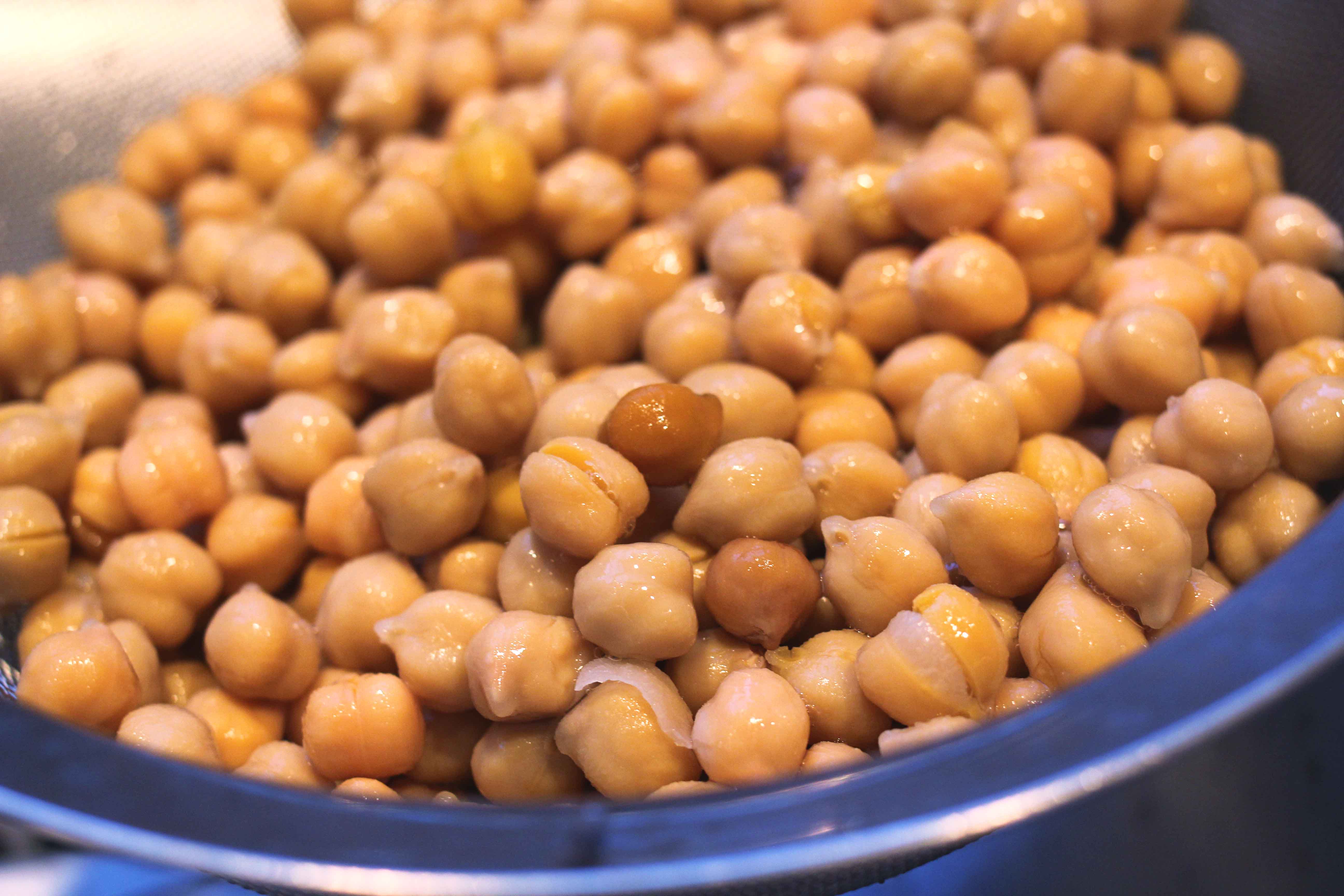
At my latest work demonstration, I tried out a new recipe for my vegetarian clients. It is very similar to how a tuna salad is made; however, chickpeas are subbed for the tuna.  Came out way better than I was expecting and it was a 100% success (in terms of acceptability by testers)! Chickpeas are a great source of molybdenum (works to breakdown protein in the body), manganese, folate (prevents neural tube defects), copper, and iron. One serving of chickpeas (1/2c) provides 6g fiber and 6g protein. For those of you who are not vegetarian (or are lacto-ovo vegetarians), eggs would be another great addition to boost the protein content!


Vegetarian Chickpea Salad
Ingredients
1 (15-ounce) can chickpeas, drained and rinsed
2 stalks celery, chopped
1/2 onion, diced
1T mayonaise (can sub avocado for a healthy fat)
1T lemon juice
1 tsp. dill weed
Dash salt and pepper

Directions
1. Mash chickpeas in a large bowl.
2. Add rest of ingredients to bowl and mix well.


Options for Serving
-On a bed of lettuce, no dressing needed!
-As a dip for veggies (carrots, celery, etc) or crackers.
-Wrapped in lettuce leaves for a snack or appetizer.
-As a starchy side dish for chicken or fish.

Enjoy!!


http://www.whfoods.com/genpage.php?tname=foodspice&dbid=58
http://nutritiondata.self.com/facts/legumes-and-legume-products/4327/2

Monday, July 14, 2014

Quick Start Guide to Healthy Eating

Over the past month, I have been leading nutrition counseling sessions pretty much every day. Go me :) I am loving all the experience and different situations in a community-based setting. Almost 90% of my sessions will include some version of this phrase/question, "My doctor told me XYZ, and I need to _____ (lose weight or change my eating habits) and I don't know what I should be eating." If you are a health professional, you have probably heard this a few times along with "Can you write me a diet/menu plan?" Just a comment on the diet/menu plan, I rarely ever give someone a diet/menu to follow. My sessions are geared towards giving my clients/members the tools they need to choose healthy foods. It gets boring eating the same foods all of the time, so it is important for people to be able to have enough knowledge to change up what they eat in a healthy way.

Below, are my tips for someone looking to change their eating habits or embark on a healthy lifestyle journey!

Tip #1
Rid yourself of the word "diet" and replace it with "a healthy lifestyle." When you go "on a diet," you are likely to "go off of the diet."  It is better to work towards a balance where you are able to enjoy the foods you love and incorporate healthy and/or new foods.

Tip #2
Write down everything you eat for 1-2 days. Be honest with yourself and don't change what you are eating just so it looks good on paper. I have asked many clients/members for food logs and diaries. Sometimes, I look through someone's diary and think "it looks like they eat pretty healthy." Then, I'll ask the burning question, "Is this a typical day for you?" The response is usually, "These were days that I was trying to be good." I don't want those days! Then, I will find out they have a habit of eating a bag of Cheetos at night and 2 ice cream cones. Now, that is something we can work with!

Tip #3
Start by analyzing your current eating/health patterns. Look over your food log and ask yourself these questions:
 _1_ Which macronutrient (carbohydrates, fats, proteins) makes up the majority of my meal? Most of
 the clients/members in my sessions get their calories from carbohydrates (most of them
 being refined). A lot of them are also not getting enough protein or healthy fats in their diet either.
 _2_ Am I drinking enough water? (91 oz (11 glasses) for women and 125 oz (15.5 glasses) for men)
 _3_ Am I drinking my calories in the form of sugar-sweetened beverages? How many glasses/day?
 _4_ How much sugar am I consuming?
 _5_ Do I snack more often than eat a meal? Are these healthy snacks?
 _6_ Do I skip meals? If yes, why? Is there anything I can do to help avoid skipping meals?
 _7_ How many servings of vegetables am I eating per day?
 _8_ How many servings of fruit am I eating per day?
 _9_ Am I getting enough fiber?
 _10_ Am I active every day?
Tracking your food will help you to be more mindful of what you are eating and can help significantly with those trying to lose weight.

Tip #4
After answering all of the questions in Tip #3, think about where you want to start. Maybe you will start by cutting up fruits and vegetables so they are readily available for a snack (instead of cookies). Maybe you will start by tracking what you eat for a week to become more mindful of what you are eating. It doesn't matter where you start, just pick one thing to work on a go from there.

Tip #5 (for the limited water drinkers)
If you are one of those people who dislike the taste of water (heard that a few times in my sessions), then make water fun! Put slices of fresh fruit (limes, lemons, strawberries, watermelon) in water. You could also put fresh fruit in seltzer (most of them are 0 calorie, 0 sugar). Try fresh brewed hot or cold tea. There are tons of tea flavors you can choose from! You can also try the fresh fruit in the hot tea (I love lemons in hot black tea). For those of you who have a lot of sugary beverages, you can also try replacing one of those per day with some of the examples I gave.

Tip #6 (for the snackers)
If you are an excessive snacker, the first thing to do before eating a snack is ask yourself, "Am I really hungry?" If you are feeling hungry, you make not be getting enough protein and healthy fats in your last meal, so check back to question #1's answer you wrote down. One strategy could be to add some eggs, chicken, or turkey to your lunch meal so you don't have 3 snacks before eating dinner. If your problem isn't snacking because of hunger, but because of boredom, social eating, etc, then think of what you can do instead of snacking. You could go for a walk, read a book, call a friend, etc. If you still feel the urge to snack, go for some protein, fats, and healthy carbs. An example could be a Greek yogurt (protein, carbs) topped with nuts (protein, fats). Another snack example could be an apple (carbs) with peanut butter (protein, fats).

Tip #7 (for the meal skippers)
If you normally skip breakfast, think about why you do so. Are you not hungry? Are you running late for work? Focus on your answer and brainstorm a strategy for your situation.  If you don't have enough time in the morning, you could get up 15 minutes earlier or pack a breakfast the night before (scrambled eggs portioned into containers, trail mix). Also, breakfast does not need to contain the "normal" breakfast foods. You can have chicken and vegetables for breakfast! I will often make extra chicken at night to eat on my way to work in the morning.

Tip #8
Set small goals for yourself. If you normally skip breakfast, a goal can be that you will eat breakfast 3 days a week for the next 2 weeks. If you normally choose unhealthy snacks, a goal can be that you add 1 piece of fresh fruit or 1 serving of vegetables to your snack. I always find it better to add healthy foods before you start taking anything away. This falls more in line with the healthy lifestyle versus being on a diet.

Tip #9 
Learn to accept and move on when you feel like you "blew your diet" or "went off the wagon." Just make better choices at your next meal or snack. Don't wait until the next day! Do it now!

Tip #10
Once you feel like you have mastered one of your goals, review your questions/answers from Tip #3 and choose another goal to work on. Remember, it is all about a healthy lifestyle, not being on a diet. It is perfectly okay to have a cookie, or two, once in a while, or have some ice cream while out with your family/friends. Just keep that "I am working towards a healthy lifestyle" phrase in mind!


Comment below if you have begun your healthy lifestyle and what worked best for you!


Tuesday, July 1, 2014

Get Your 21-Day Fix Here!

I am sure many of you reading this blog have heard of some sort of quick-fix weight-loss plan through the TV, magazines, or friends. I'm sure you are also tired of hearing friends or family talk about going on their 21-day "insert diet gimmick here." Not only do they flaunt their crash-diet techniques like they are the end-all to weight-loss efforts, but also brag to their friends/family about how much weight they are losing as compared to those following their healthy lifestyle.

So, what is so bad about these products? I mean, I am sure you have heard about some of your friends/family losing weight with them. For starters, they are expensive! One 30-day supply from Beach Body costs $39.95 (not counting shipping and handling) and it is only for breakfast and/or lunch.  That means dinner is on your own! Another famous company is Shakeology. For their chocolate 30-servings package, they charge $129.95! That comes out to be $4.33 per serving.

To put these prices in perspective, lets just say you do one shake per day from Beach Body. Not counting the extra money for S&H and the milk you add to it, you are spending $1.33 per shake. That doesn't sound too expensive right? Lets say instead of your shake, you made breakfast: 2 eggs ($2.79/18count), 1 banana ($.30/each), coffee ($.29/oz), and 1/2c broccoli ($1.25/12oz) in your eggs. This comes out to be about $1.17 for the meal.  About $3 cheaper than Shakeology!  I don't know about you, but eating the meal sounds a whole lot more appetizing than the shake.

One thing I find funny, is most of these products still say to drink water, get enough sleep, and exercise. My thoughts are, why not do all of those things, eat a healthy balanced diet and save yourself the money on these products!

Besides seeing how expensive these products are, lets get into the nutrition. Herbalife has a "healthy meal shake" (with no price tag on it) that contains 90 calories, 1g fat, 13g carbs, 9g sugar, and 9g protein. Woah, low-calorie! It must be healthy! NOT! For starters, protein and fat are the macronutrients that are going to keep you fuller for longer. My egg breakfast will give me about 15g of protein and 12g of fat (more on fat later and how it is an important part of your diet!). Also, the sugar I will have in my breakfast will come from a natural source (fruit). If you are looking for an energy-boost for the morning, 90 calories won't get you very far.

Skimming the rest of the package for Herbalife's product, there are some vitamins and minerals (about 25% of daily value); however, you can get what you need just from eating fruits and veggies throughout the day. 1 orange will give you 100% of the daily value for Vitamin C! Lastly, the ingredient list is a mile-long and most of them you can't pronounce, another red flag on the play.

Another Shakeology product featured on Beach Body has a bit more protein and calories; however, again, another mile-long ingredient list. Don't let the 300% of daily value for Vitamin C awe you. Vitamin C is water-soluble, which means whatever your body doesn't need, it will pee out. Also, the high amounts of vitamins and minerals you can get from your fruits and vegetables. Just 1/2c of carrots contains about 200% of your daily value for Vitamin A. Again, cheaper and more appealing to me for a meal/snack.

Not of of these products on the market are necessarily bad for you. They are pretty useful for those on-the-go, that can't make the time to prepare a breakfast meal or pack the night before. They are also pretty useful in a pinch. The pure proteins (whey protein types) are also great for a quick shake or for an added protein boost in snacks or baked goods. I like putting whey protein powder in my fruit smoothies; however, I buy mine from local grocery stores, where it is cheaper. The cans usually last me a while because I don't rely on it for all of my meals and snacks.

 My advice is to see these products as just that, supplements to your diet. They shouldn't be the end-all-be-all and they are certainly no match for real food like fruits and vegetables. If you go the route of these products, look for ones with low amounts of sugar, 5g or more of fiber and at least 10g of protein (if it is replacing a meal). Also, try and find a short ingredient list and at least 25% of your daily value for vitamins and minerals.

Instead of focusing on a quick weight-loss fix that is hard to maintain long-term, focus on healthy habits for the long-term. If you have a family, instead of taking the easy way with shakes and smoothies, choose real food and instill those healthy habits on your children.  Take the time to analyze what you are eating. Where do most of your calories come from? Carbohydrates/sugar? Healthy or unhealthy fats? Protein? Write down what you eat and be honest with yourself. Take small steps to change your eating behaviors (like replacing 1 snack of chips with veggies and dip or peanut butter and celery). Your body and wallet will thank you later :)

Friday, May 9, 2014

Peanut Butter Yogurt Dip

Looking for a quick and healthy fruit dip? Feast your taste buds on this creamy and light option! It is perfect with apple slices (or even a banana). Packed with 4g of protein and only 80 calories per serving, it is a great dessert to satisfy your cravings. But be forewarned! You may find it is tasty enough to eat with just a spoon :)


Peanut Butter Yogurt Dip
Ingredients
1c plain greek yogurt
1/2c peanut butter (I use natural peanut butter with the ingredients being only peanuts and salt)
1tsp cinnamon
4 squirts of Redi Whip (more or less depending on your taste buds)

Directions
1. Mix all ingredients in a bowl and chill.
2. Serve with fresh apple slices or bananas.


Nutrition Facts (Per 2T; yield approximately 1.5cups)
Calories: 80
Fat: 5.5g (4g Monounsaturated)
Sodium: 40mg
Potassium: 90mg
Carbohydrate: 2.5g
Fiber: .8g
Sugar: 1g
Protein: 4.3g


Wednesday, December 11, 2013

What are Black Soybeans?

I've been hearing a lot about black soybeans in the news (This is mostly due to Dr. Oz's show). I wanted to do some investigating to see how good they really are.

What Are They?
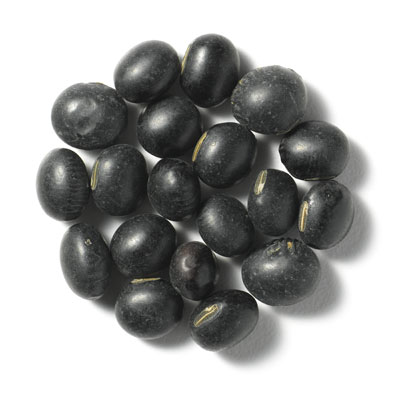
Black soybeans are simply a variety of soybeans, which are seeds from a plant. I found it to be very interesting that mature, dried soybeans can be a variety of colors, including black, brown, and blue. Fresh, undried, soybeans are always green in color.

What Are The Health Claims?
"Eating black soybeans helps you to lose weight, easily, lower cholesterol, and fight inflammation."

What Does the Science Say?
The National Institute of Health's study shows that consumption of various beans may inhibit oxidative stress. Black soybeans showed the greatest improvement in risk factors associated with cardiovascular disease. This study was only conducted on rats thus far. The most consistent effect of soybeans on blood fats has been a moderate lowering of LDL (bad) cholesterol.

Comparison to Regular Soybeans
Black soybeans have less calories, total fat, carbohydrates, and sugars. Regular soybeans, on the other hand, have more fiber and protein.

Health Benefits
Soybeans, in general, are a good source of Vitamin K, Calcium, Magnesium, Iron, Folate, Phosphorus, Potassium, and Fiber. Black soybeans, however, have a higher antioxidant content.

To sum it all up, all types of beans are a great choice for both a vegetable and protein source. Black soybeans have a slightly higher antioxidant content; however, it is not such a big deal if you eat regular soybeans in their place.

Final Bean Tips
-Throw some beans into a soup or stew for a protein boost.
-To use as a simple side dish, cook (sauté, stir-fry, boil, etc) and season with olive oil, onions, and garlic.
-Make "nuts" by roasting chickpeas in the oven. Mix 1 can of chickpeas with 1 Tbsp. olive oil, garlic, salt, and pepper. Spread over a baking sheet and bake at 400 degrees F for 20 minutes. Enjoy as a quick snack!


¨http://www.whfoods.com/genpage.php?tname=foodspice&dbid=79¨http://caloriecount.about.com/calories-seneca-organic-soy-beans-i108429