Showing posts with label fiber. Show all posts

Wednesday, January 10, 2018

Better-For-You Lasagna Recipe (Gluten-Free, Vegan)

The time has come! I finally (I hope) perfected my lasagna recipe! I don't even know the last time I had lasagna since gluten-free lasagna noodles are so hard to find! This is a simple and easy-to-freeze recipe that the whole family will enjoy!

Better-For-You Lasagna Recipe (Gluten-free, Vegan)
Ingredients
2 boxes Explore Cuisine Green Lentil Lasagna*
1/3 cup 100% lemon juice
12-ounce soft tofu, drained **
1/4 cup nutritional yeast + extra for layers
2 tablespoon Italian seasoning
2 teaspoons onion powder
2 tablespoons olive oil
Dash of salt and pepper
Low-sodium vegetable broth***
Two 24-ounce jars of Victoria pasta sauce (or marinara)****
Optional Ingredients: 1-2 handfuls of spinach, 1/4 cup Vegan Parmesan, 1 bag Vegan "meat" crumbles

Directions
1. Preheat oven to 350 degrees F. Grease a 13x9" baking dish.
2. In a high-powered blender or food processor, puree: lemon, tofu, nutritional yeast, Italian seasoning, olive oil, optional spinach, onion, salt and pepper.
3. Layer in baking dish in this order: about 1/4 cup marinara/sauce, 3-4 noodles, 1/4 cup of marinara, 1/4 cup tofu ricotta, optional crumbles, 1 tablespoon nutritional yeast, 1 tablespoon optional vegan Parmesan, 2 tablespoons sauce and 3-4 noodles. Repeat ending with noodles topped with sauce and Vegan Parmesan.
4. Bake, covered, for 45-55 minutes. 

Recipe Notes
*You can use any pasta; however, this brand is gluten-free and vegan. It also has a nice amount of protein and fiber, which makes it more of a complete meal. These lasagna noodles are also ones that do not need to be pre-cooked, which saves time.
**Regular firm tofu can also be used. This creates the "ricotta."
***If the tofu ricotta is too thick and will not blend properly, add in a few tablespoons of vegetable broth or almond milk to thin out. Do this by 1 tablespoon at a time, as you don't want the recipe to become runny.
****I prefer this brand since there are simple ingredients. You can also use homemade pasta sauce too or any other brand. Typically, I use the full 2 jars. If you like more sauce on your lasagna, plan to reheat  it or will be hot holding on a serving line, I would grab 3 and add in a little extra sauce within the layers so it does not dry out.
--> Optional Ingredients: You can barely see or taste the spinach, so I always add it to boost the nutritional content. I would highly suggest putting the spinach in the food processor versus throwing in the loose leaves.
-->For the layers, I just estimated the amount of sauce and ricotta. Typically, I just scoop and spread in an even layer until the noodles are covered. You can totally pack the layers more and do less "noodles,"  or add more sauce. It really is up to your preference.

Thursday, August 24, 2017

Back to School Lunch Tips (Plant-Based)

Summer is coming to a close and before you know it, school will be back in session. Although school lunches have come a long way in terms of healthful options, some may still choose to brown bag it due to limited lunch options or long lines at school. No matter if you choose to buy or pack a lunch, nutrient-dense foods should still be at the forefront of your menu. After all, a nutritious lunch will help to fuel your child’s growing body and give them the energy they need to focus during the school day.

If you are planning to have your child buy lunch, review with them the school lunch menu so they can pick healthy and well-balanced options for each day. When packing a lunch, it is important to get your child involved since they are more likely to consume what they helped pack. You will also help to eliminate food waste when taking into consideration their food preferences.

When choosing or packing a lunch, try to aim for a balance of lean protein, high-fiber carbohydrates, and healthy fats. Some plant-based protein options could include tempeh, tofu, beans, nuts, or seeds. High-fiber carbohydrates can include whole fruits, whole grain breads, whole grain pastas, unsweetened applesauce cups, or quinoa. Healthy fats could include nuts, seeds, avocado, or low-sugar almond yogurts. Keep lunches cool and at a safe temperature by sending ice packs, insulated lunch boxes, or frozen waters.

Check out some of the sample lunch options below for inspiration!
-Fresh fruit salad using cookie cutters for fun shapes.
-Hummus and veggies (baby carrots, broccoli, celery sticks, cucumbers)  with whole grain pita.
-Apple slices and peanut butter (or sunflower seed butter) with whole grain pretzels
-Homemade veggie soup in an insulated container with whole grain crackers.
-Salad topped with roasted chickpeas and mixed veggies and served with fresh fruit.
-Whole grain tortilla wraps stuffed with veggies and lean protein.
-Healthier PB&J made with chia jam, natural peanut butter, and whole grain bread.
-Homemade granola bars with fresh fruit.
-Brown rice bowls (or quinoa) topped with sauteed veggies and chickpeas (or tofu).


Posted also available at EatRight

Thursday, March 9, 2017

Sauteed Zoodles with Fresh Pesto

March is here so that means it is National Nutrition Month! This is one of my favorite times as a Dietitian! For 2017, the theme is "Put your best fork forward," which I love because it makes me think of not only choosing healthy foods, but also, cooking more! I often get client feedback that revolves around not having enough time to cook. My challenge for those of you reading this post is to commit to cooking at least one day/night per week. Once you get that down, increase to two or or even three nights! If the weekdays are too busy for you to cook more involved meals/recipes, try batch cooking on the weekends and freezing for later use. Stock-up on items like canned beans or frozen steamable veggies for when your not in the mood for cooking. To take it a step further, try incorporating new and healthy recipes in your weekly meal rotation.

Try out the zoodles (zucchini noodles) recipe below as a side dish or make it a meal by adding a lean protein and high-fiber carbohydrate (like chickpeas)!

Sauteed Zoodles with Fresh Pesto 
Yield: 4 servings 

Ingredients 
4 medium zucchini, ends trimmed
2 cups fresh basil
1/2 teaspoon minced garlic
1/3 cup olive oil
2 teaspoons lemon juice (can increase to 1 tablespoon if you prefer a more lemony flavor)
1/2 cup cherry tomatoes
Salt & pepper
**Flavor add-ins for pesto: pine nuts, minced onion, walnuts, or nutritional yeast

Directions 
1. Using a vegetable peeler or spiralizer, slice zucchini into noodles. Set aside in bowl.
2. Food process: basil, garlic, olive oil, and lemon juice.
3. In a large skillet, combine zucchini noodles with pesto and saute over medium heat for 5-7 minutes.
4. Top noodles with tomatoes and season to taste with salt and pepper.

Nutrition: 190 Calories, 17g Fat (12g Monounsaturated Fat & 3g Polyunsaturated Fat), 65mg Sodium, 522mg Potassium, 9g Carbohydrates, 3g Fiber, 3g Sugar, 1g Protein, 44% Vit A, 29% Vit C 

Saturday, February 25, 2017

Tips for Boosting Your Fiber Intake

Have you been hearing about fiber a lot lately? Most Americans are not getting the recommended intake for fiber, which can be preventative against diseases like diabetes, diverticulitis and certain types of cancer. Low fiber intake is mainly related to the fact that many do not consume enough fruits, vegetables, and whole grains.

What is Fiber?
Dietary fiber is the indigestible component of plant foods, while functional fibers are isolated non-digestible carbohydrates that can be extracted from natural sources or manufactured synthetically and added to foods/supplements. There are two types of fiber that can be found in food sources: soluble (which absorb water during digestion) and insoluble fiber (which remain unchanged during digestion). Soluble fiber is found in foods like oats, barley, beans, peas, nuts, seeds, citrus fruits, apples, and carrots. Soluble fiber may help to lower cholesterol, reduce your risk of heart disease, and regulate blood sugar levels. Insoluble fiber is found in foods like seeds, vegetables, whole grains, and the skins of fruit. Insoluble fiber aids the digestive system in maintaining regularity and may reduce the risk of colon cancer.

What is the Recommendation?
As per the new 2015 Dietary Guidelines, the recommended fiber intake for women ages 19-30 years old is 28g per day and for males 34g per day. Aiming for about 3-4 servings of fruit and 4-5 servings of vegetables each day can help you to boost your fiber intake to the recommended values.

Top 10 Ways to Increase Fiber (Without Supplements)
1. Read food labels and look for products with at least 3g of fiber per serving.
2. Eat whole fruit over juices. Juices are stripped of their fiber and antioxidant content.
3. Substitute meat dishes (chili, soups, stir-fries) with beans! One-half cup of chickpeas has 8g of fiber!
4. Choose whole grain varieties over refined counterparts (i.e. 100% whole wheat pasta for white).
5. Swap white rice (0g fiber) for quinoa (1/2 cup = 2.5g fiber).
6. Snack on fresh fruits like oranges, which have 3g of fiber and raspberries, which have 8g of fiber per cup.
7. Keep the skins on your fruits and veggies when possible to retain all of the fiber. A medium sweet potato with the skin on contains 4g of fiber!
8. Power-up your breakfast with oatmeal (1/2 cup dry = 4g fiber) + nuts (1-ounce almonds = 3.5g fiber) + flax or chia seeds (1 tablespoon = 4g fiber) + fresh fruit. 
9. Power-up salads with fresh veggies, beans, and seeds.
10. Power-up sandwiches by choosing a high-fiber bread and topping with avocado (1/2 cup = 5g fiber) instead of mayo.

While it may seem impossible to get enough fiber in the day, you can start by making simple swaps. Try using whole grain bread versus white or swapping in spiralized zucchini for a pasta base. Making small changes can help you to form new and healthy habits. One thing to remember when increasing your fiber intake is to drink plenty of fluids. Also, increase your intake slowly to avoid GI discomfort.


Reference: https://health.gov/dietaryguidelines/2015/resources/2015-2020_Dietary_Guidelines.pdf

Sunday, October 23, 2016

Oatmeal Recipes Galore!

Oatmeal is one of my favorite breakfast to make. Oats are packed with soluble fiber, which help to work to clear away compounds in your intestines that can contribute to high cholesterol. Soluble fiber can also help with blood sugar regulation and weight management.

During one of my recent cooking classes, I made a few oatmeal varieties and the participants loved it! Hope you enjoy them as much as they/I did :)

Cocoa-Banana Oatmeal
Ingredients 
1 cup unsweetened almond milk (can also use coconut, soy, etc.)
1/2 cup old fashioned oats (I also used steel cut and it worked great!)
1 small banana, mashed
1/2 teaspoon almond extract (can sub in vanilla extract)
1 teaspoon cocoa powder
1 tablespoon almond butter (can sub in peanut butter)
1 tablespoon sliced almonds (optional)

Directions
1. In a large saucepan, bring milk to a boil.
2. Add remaining ingredients (except sliced almonds) and cook for about 5-7 minutes.
3. Top oats with sliced almonds and serve!

**You can also add in a sweetener of your choice if the banana is not enough for you. You can also add in ground flaxseeds for a boost of healthy fats, fiber, and protein.

Nutrition Information: 368 calories, 15g fat, 153mg sodium, 54g carbohydrates, 14g sugar, 9g fiber, 9g protein

Apple Cinnamon Oatmeal
Ingredients 
1 cup unsweetened almond milk (can also use coconut, soy, etc.)
1/2 cup old fashioned oats (I also used steel cut and it worked great!)
1 small apple, diced
2 tablespoons unsweetened applesauce
1 teaspoon brown sugar (can eliminate for lower sugar recipe)
Dash cinnamon

Directions
1. In a large saucepan, bring milk to a boil.
2. Add remaining ingredients and cook for about 5-7 minutes.

Nutrition Information: 257 calories, 6g fat, 152mg sodium, 49g carbohydrates, 18g sugar, 8g fiber, 6g protein


One last comment about these recipes. A lot of the sugar is coming from natural sources like the banana and apples, so don't be too concerned about those numbers. Also, with having fruit/nuts, you are also boosting the fiber content of the recipe. Remember, to leave the skin on with your apples since that is where a lot of the fiber and nutrients are. 


Wednesday, June 29, 2016

Why Going Low-Carb is NOT the Best Idea

Have you been told by a medical professional, friends, family member or even a figure on the Internet that you should be following a low-carb diet for Diabetes or weight-loss? This is something I hear from clients quite frequently. With my experience in counseling and also the research, I am here to tell you that it is perfectly okay to eat carbohydrates if you have Diabetes or want to lose weight. Shocking, I know! Below are the top 4 reasons I have for not following a super low-carb diet based on the majority of things I hear from clients. 

1. Low-carb means no fruit!
One of the first things people tend to do when cutting carbs is cutting the fruit out! Fruit is packed fiber, vitamins, minerals and antioxidants; even those “deadly” bananas! I don’t know how many people come to me with Diabetes saying they can’t eat fruit. Let me just say that when I look at the food diaries of these patients, most are not overeating the fruits. Aim for whole fruit over juices and eat the skin if possible since that is where a lot of the nutrients and fiber lay. Just see below at just some of the research touting the benefits of fruits and vegetables! 
 ---->“In Chinese patients with Type 2 diabetes, higher dietary fruit intake was associated with a lower burden of carotid atherosclerosis as reflected by lower carotid intima-media thickness and prevalence of carotid plaque.”1
 ---->“Fruit and vegetable intake may decrease oxidative stress and inflammation in this group of patients. An increased intake of fruit and vegetables can therefore be beneficial for patients with type 2 diabetes, since these patients are documented to have raised oxidative stress and inflammation.”2
 ---->"Plant-based diets, especially when rich in high-quality plant foods, are associated with substantially lower risk of developing T2D."3

2. Food quality is still an issue.
Something else fun that happens when people cut the carbs is that they tend to still eat the same junk-food (chips, breads, etc.), but in smaller amounts. Less carbs does not change food quality. If you just decrease the unhealthy carbs but don’t add the healthier ones, you are still not feeding your body right! Let’s say for example you normally have a sandwich for lunch. You since cut back to ½ a sandwich; however, now you are hungrier. So, you end up doing some more lunchmeat or loading up on extra peanut butter. I’m not saying that it is okay to eat the chips, white breads, cakes, and cookies. What I am saying is that whole grains, beans, quinoa, etc are all great carbohydrates that can be incorporated into a healthy meal plan. The reality is that most people are not consuming enough whole grains (see research article below) and eating whole grains and beans are a great way to help decrease disease risk!
 ----> “Including pulses in the diet is a healthy way to meet dietary recommendations and is associated with reduced risk of several chronic diseases.”4
 ---->“Average intakes of whole grains are far below recommended levels across all age-sex groups, and average intakes of refined grains are well above recommended limits.”5
            
3. Low-carb to carb-binge
A couple things tend to happy with a low-carb diet. The first is that many tend to overload on the protein, which most people are getting enough if not more than enough of their recommended intake. Secondly, most people tend to crave the carbohydrates so much that they binge on them in about a week or two and end up stopping "yet another diet." Hey, I am not saying you won’t lose weight eating low-carb, what I am saying is that this is not typically a sustainable diet. 

4.  Most low-carb diets don’t get enough fiber.
On the same topic as point #4, less carbs usually means less fiber. As I said, most people sub in the protein for less carbs. You know what most people are NOT getting enough of in their diet? Fruits and vegetables! What do fruits and vegetables have in them besides vitamins and minerals…FIBER! One of the most cut-out-veggies is the beans! Did you know that a half-cup of chickpeas has about 5g of fiber and a half-cup of kidney beans has 8g of fiber? Fiber is beneficial because it can help to decrease cholesterol levels, improve GI function, and also decrease your risk for heart disease. See the research below for more reasons to get in the fiber!
 ----> "High fibre may be better than high protein for weight (fat) loss in obesity.”6
 ----> “A high-fibre bean-rich diet was as effective as a low carbohydrate diet for weight loss, although only the bean-rich diet lowered atherogenic lipids.”7 
----> “Increasing fiber intake lowers blood pressure and serum  cholesterol levels. Increased intake of soluble fiber improves glycemia and insulin sensitivity in non-diabetic and diabetic individuals.”8

So, what should you do now? Start by tracking your food intake. Maybe, you are eating too many refined carbohydrates (cookies, white breads, etc). Maybe, you are also eating too much in one sitting (3 cups of pasta). Maybe, your meals are unbalance (heavy in carbs or protein). Start by checking out your food log and seeing where you can incorporate a better meal balance. 

Aim for meals to have lean proteins, fiber-filled carbohydrates (whole grains) or starches, and some non-starchy veggies. An example of a balanced meal could be: tofu (protein), broccoli (non-starchy veg), and a red potato (starchy carb). Another example could be fish, sautéed spinach, and brown rice. Another example could be quinoa (protein + starchy carb), mushrooms and tomatoes (both non-starchy). A snack could be an apple and peanut butter or veggies and hummus. The options are endless! 

Bottom line here, instead of eliminating a food group and possibly making yourself miserable aim for meal balance and portion control. If all else fails, find a Dietitian to help you with meal planning since we are the experts when it comes to nutrition :)

Additional Links

Resources
1. Chan H, Yiu K, Wong C, Li S, Tam S, Tse H. Increased dietary fruit intake was associated with lower burden of carotid atherosclerosis in Chinese patients with Type 2 diabetes mellitus. Diabetic Medicine [serial online]. January 2013;30(1):100-108. Available from: Academic Search Premier, Ipswich, MA. Accessed June 29, 2016.
2. Ã…sgÃ¥rd R, Rytter E, Basu S, Abramsson-Zetterberg L, Möller L, Vessby B. High intake of fruit and vegetables is related to low oxidative stress and inflammation in a group of patients with type 2 diabetes. Scandinavian Journal Of Food & Nutrition [serial online]. December 2007;51(4):149-158. Available from: Academic Search Premier, Ipswich, MA. Accessed June 29, 2016.
3. Satija A, Bhupathiraju S, Hu F, et al. Plant-Based Dietary Patterns and Incidence of Type 2 Diabetes in US Men and Women: Results from Three Prospective Cohort Studies. Plos Medicine [serial online]. June 14, 2016;13(6):1-18. Available from: Academic Search Premier, Ipswich, MA. Accessed June 29, 2016.
4. Mudryj A, Yu N, Aukema H. Nutritional and health benefits of pulses. Applied Physiology, Nutrition & Metabolism [serial online]. November 2014;39(11):1197-1204. Available from: Academic Search Premier, Ipswich, MA. Accessed June 29, 2016.
5. Dietary Guidelines for Americans 2015
6. Adam C, Gratz S, Ross A, et al. Effects of Dietary Fibre (Pectin) and/or Increased Protein (Casein or Pea) on Satiety, Body Weight, Adiposity and Caecal Fermentation in High Fat Diet-Induced Obese Rats. Plos ONE [serial online]. May 25, 2016;11(5):1-16. Available from: Academic Search Premier, Ipswich, MA. Accessed June 29, 2016.
7. Tonstad S, Malik N, Haddad E. A high-fibre bean-rich diet versus a low-carbohydrate diet for obesity. Journal Of Human Nutrition & Dietetics [serial online]. April 2, 2014;:109-116. Available from: Academic Search Premier, Ipswich, MA. Accessed June 29, 2016.

Friday, April 29, 2016

Tips for Decreasing Your Cholesterol

Maybe you just heard from your doctor that your cholesterol is high and now you have to either take medications or try and bring it down before your next appointment. So, why is this important? Elevated cholesterol levels are just one of the risk factors for heart disease and stroke. Having too much cholesterol in the blood will lead to a build-up in the walls of your arteries.  This then leads to "hardening of the arteries" and subsequent slowing of the blood flow to the heart. If this blood flow becomes cut off by a blockage, you could find yourself with a heart attack.

Below, I have 5 tips to get you started on the journey to lowering your cholesterol with your diet!

Tip #1: Increase Your Fiber Intake
Not only does fiber fill you up, but it also binds to cholesterol and excretes it from the body. Aim for at least 25g per day if you are a female and 38g if you are a male. You can find fiber in foods like fruits, vegetables, beans, and whole grains. One thing to remember with fiber is to not go from eating only 5g per day to 25g day in one shot. Slowly increase your intake and drink lots of fluids to avoid any GI discomfort!

Tip #2: Opt for Healthy Fats
Everyone has been demonizing the fats and it is really the type of fat you want to be mindful of. Include more healthy fats like nuts, seeds and avocado, which contain the unsaturated fats that decrease inflammation in the body and also increase your HDL (good cholesterol).

Tip #3: Watch Trans and Saturated Fats
Trans fats are pretty well known for the negative effects on your health; however, the jury is still mixed on saturated fats. While new research shows that saturated fats don't necessarily increase your cholesterol, they also don't offer any benefits like the unsaturated fats do. You can find trans and saturated fats in baked goods, chips, fried foods and more.

Tip #4: Decrease Your Refined Sugar Intake
More and more research studies are showing a link between refined sugars and an increased risk for heart disease. The American Heart Association also found that sugar increases triglycerides in the body. The AHA recommends no more than 24g of added sugars per day for women and no more than 36g for men. This means watching out for the cakes, cookies, ice creams, and sugary beverages.

Tip #5: Make Time for Exercise
Exercise helps to increase your good cholesterol (HDL) and decrease the bad (LDL). It also helps with weight control and decreasing blood pressure. Aim for at least 30 minutes per day (if not more) and mix it up between the cardiovascular (biking, walking, running, swimming, etc) and resistance (push-ups, chest press, leg press, etc) exercises for the greatest benefit!
**As always, check with your doctor before starting an exercise program.

Hopefully, you can find something in this list to start working on to help manage your cholesterol levels. Remember, the best way to start is by evaluating your current diet or exercise program and setting goals for improvement!


Resources: NIH

Sunday, March 27, 2016

Tips for Choosing Protein Supplements

While I love protein bars and powders for convenient on-the-go snacks or meals, let's face it, a lot of what is out in the market is, dare I say it, pure junk. My main issues with most bars/powders are the laundry list of filler ingredients and high sugar content. Below are some tips for choosing the best protein supplement for you and a no-bake protein bar recipe I love, love, love to make!

Check the Protein
The first thing you want to do with any protein bar is to of course, check the protein. If you are going for the bar as a snack, aim for around 7-10g of protein. If it is a meal replacement, try to look for more than 10g. Protein helps to stabilize your blood sugar, which is great for not only Diabetics, but also, those who just want to keep their hunger levels at bay. I use a plant-based powder with a blend of brown rice, hemp seeds, pea protein and chia seeds for a great amino-acid profile. If you use milk products at home, look for a whey protein and/or whey isolates for good quality.

Check the Sugar
I can't stand when I look at a bar and see 20g of protein and then 20g of sugar. Really? I'm not going to mention any names, but I even saw a company use the disclaimer of, "Not recommended for Diabetics." Unless you are a marathon runner or some other super high intensity athlete, never choose a bar with that much sugar in it, especially if the third ingredient is cane syrup and not even a naturally occurring sugar. So, what should you look for then? You want less than 10g of sugar if it is a bar and less than 5g if it is a powder. Most of my clients (and myself) use the powders in a smoothie with fruit and a type of milk (almond, coconut, cow's). You are already getting the sweetness from the fruit, so you really don't want a ton more in the powder.

Read the Ingredient List
If you look at the ingredient list and see added sugar as one of the first 3 ingredients, you might want to think about choosing another bar. Ingredients are listed by weight, so the first few are the most prominent in the item. Added sugars would be things like: brown rice syrup, honey, cane syrup, cane sugar, brown sugar, maple syrup, etc. These are different than natural occurring sugars like dates or raisins, which are typically less refined, with a slower effect on your blood glucose. They also come packed with other vitamins and minerals that your refined sugars will not. This same idea also goes with healthy fats. Try to aim for bars that use whole foods like almonds, chia, flax, coconut, etc, instead of oils. Again, you will get more nutrients (vitamins, minerals, fiber) with the whole food source.


Almond Protein Snack Bars
Yield: 10 bars

Ingredients
1 cup raw almonds, reserve 1/4 cup(I used slivered - easier to food process)
1.5 teaspoons cinnamon
1 1/2 cups quick-cook oats
1.5 scoops vanilla protein powder (you can use chocolate too)
2 tablespoons 100% pure maple syrup
1 tablespoon honey
2 tablespoons SunButter (sunflower seed butter)*
2 tablespoons dark chocolate chips, melted (optional)

Directions
1. Spray an 8 by 8 inch square pan with cooking spray.
2. Food process 3/4 cup almonds.**
3. Add remaining ingredients, except the chocolate chips. Food process until smooth.
4. Using your hands, press the mixture into the prepared pan. Top with chopped almonds and drizzle with optional dark chocolate.
5. Let pan sit for about 15 minutes in the fridge before cutting. Once cut, store in the fridge for up to 1-week. Enjoy!!

Additional Notes
*I used the sun butter as a little added flavor. You could also use almond or peanut butter. If you notice your mix to be a little dry and not sticking together, add a little more of the nut butter.
**If you want to skip this step, simply use 1/2 cup almond butter. I also didn't food process my almond to a butter, but left it a slight bit crumbly. You can do either or for your recipe at home!
***You can also use dates or raisins instead of the honey/maple syrup. Try adding in chia, flax, or hemp seeds for a fiber, protein, omega 3 boost too!

Nutrition Facts (1 bar): 170 calories, 8g fat, 54mg sodium, 88mg potassium, 18g carbohydrates, 3g fiber, 7g sugar, 8g protein


Thursday, March 17, 2016

Common Weight Loss Issues

Being a dietitian, I get a ton of clients who are trying to lose weight. I would say 90% of them have tried some sort of diet before (most being a short-term crash diet type) and about 80% ended up gaining back the weight they lost (plus some). Losing weight and changing your eating habits is not easy. Anyone who says that it is is either lying to you or trying to sell you a supplement (and also lying to you)! It takes a lot of hard work and dedication to change your diet and really stick with it.

Most people that approach me about weight loss are facing the same questions: what should I do, how should I do it, and how long will it take! For starters, DO eat more fiber (fruits, veggies, whole grains). One of the first things I ask any client or potential client is, "What do you eat during a typical day?" Almost none of them are eating enough fruits and vegetables. I would say the average is 1-2 fruits and 0-1 veggies per day. Fruits and veggies are packed with fiber and nutrients. Add fresh fruit to your cereal, add a side salad to dinner or pack some hummus and veggies. There are tons of ways to add in the fruits and veggies, it just takes a little planning and effort.

Limited water intake is another huge issue I see with clients trying to lose weight. Most Americans are just not drinking enough water. It's usually high calorie beverages or little to no fluid at all! For those of you who hate the taste of water, try seltzer water or adding fresh fruit to plain water. I love the combos lime, mint, and cucumber or strawberry basil.

Healthy food tastes bland. Ever heard that statement before? I get it all the time! "I can't eat healthy because healthy food just doesn't taste good." Another favorite of mine is, "I hate fruits" or "I hate vegetables." First off, make the healthy food taste better! Most people think you need to steam vegetables and not add anything else. Think again! Add some lemon, herbs, spices, etc. Roast your veggies! Make a fruit smoothie! Try a new recipe! Healthy food only tastes bland if you make it that way. Get creative in the kitchen and don't be afraid of trying new things. Side note here, don't think that you need to cook everything from scratch or use only fresh options for a meal to be healthy. I love using frozen veggies instead of fresh because they are way more convenient to use and I don't have to worry about them going bad quickly.

Try not to fool yourself when you are trying to lose weight. I don't know how many clients say to me they are so frustrated with their lack of weight loss and they just want to give up. Had it not been for me (or someone else pushing them along) they may have just walked away from it all. Again, honest moment to yourself, are you really trying that hard? Did you go overboard with the weekend festivities? Are you sleeping enough? Drinking the right kinds of stuff? Eating the right foods? You get where I am going here. I would say 99% of the time, there is ALWAYS something more you can do if you feel like your weight-loss just isn't going the way you planned. Take the time to assess what you are eating and drinking and what your activity looks like. Also, when you start to change your eating habits, don't expect to see the pounds melting off of your body in 1 day or even 1 week! I always say to my clients, "You didn't get to this point overnight." A good weight-loss goal is 1-2 pounds per week. Any more than that and I question whether or not your eating enough and if it is another one of those "fad diets."

So to sum this all up, be honest with yourself and take the time to really change those habits for the long-haul and finally get off the weight-loss, weigh gain wagon!

Wednesday, August 19, 2015

How Can I Lose 10 Pounds?

"How can I lose 10 pounds?" That is probably the number 1 most asked question of an RD. While I have no statistics to back up my statement, I am almost certain it is at least in the top 3. That along with "How can I lose weight fast?"

Once someone asked me, "Tell me how to lose weight." I said, "Well, that's a loaded question." She looked at me like I had 6 heads. Weight-loss advice is not something to be given in a short amount of time. There is no quick fix or magic pill. Hate to break it to you :) If you see a program saying you can "blast away the fat" or "lose 10 pounds in a week" or selling some magical drink, run away...very quickly! Most of these programs do not work! They get you to buy their expensive products, but don't teach you how to make healthy choices. While you might lose weight, once you stop you have yourself a problem. I have seen so many clients where they tried this diet or that program and then say when they stopped the weight came back on. Most people tell me they still don't know how to eat healthy after being on that "diet". Now, I am not knocking every sort of program out there, just making a generalization about the majority I see every day.

As a dietitian, I typically run through the same points with everyone. It all starts with your current diet. You have to analyze where you are now and be totally honest with yourself.

Ask yourself these questions:
-->Are you getting 3-4 servings of vegetables (or more) per day?
-->Are you eating 2-3 servings of fruit (or more) per day?
-->Are you hitting your fiber intake (generally around 25g per day)?
-->Are you drinking enough water?
-->Are you avoiding drinking your calories like in juices, sodas, and sweetened teas?
-->Are you choosing whole grains over processed refined grains?
-->Are you eating lean proteins with every meal (eggs, chicken, tofu, nuts, seeds, etc)?
-->Are you eating less than 1 sweet per day?
-->Are you eating every 3-4 hours?

In order to answer some of those questions, it is probably best if you do a 3-day or 7-day food journal. Simply write down everything you eat or drink throughout the day. Note the time you eat too because that can help show you if you have gone too long without eating.

From there, figure out a weekly goal. It could be to eat 2 vegetables every day (an increase from your one a day). Or it could be to increase your water consumption from 6 to 8 glasses per day! At the end of the week, look at your progress. Ask yourself if you feel your goal was accomplished or if you still want to work with it. If you did meet your goal, it doesn't mean forget it; it means add something else to it! Maybe the next week you try and have 2 fruits and 2 vegetables every day. Always remember to make your goals SMART (specific, measurable, attainable, realistic, and timely).

After you have planned your goal, think about ways you can accomplish this. Maybe, you are going to drink more water. Do you have access to water throughout the day? Do you have a reusable water bottle you can take with you? It is always best to plan ahead! I have a 32-ounce reusable water bottle and I love it! It keeps my water cold for hours and it holds a lot so I don't have to find a water fountain at work all the time.

While exercise is important for weight-loss, I always start with diet first (being the dietitian I am). A lot of times I have people who are not motivated to exercise or cannot because of their size. Usually, your food intake is the best place to start.

My last piece of advice is to focus on one goal at a time; master it and add a new one. Don't start changing everything at once. Remember, you are working towards a healthier lifestyle and moving away from the quick-fix-diets. Change takes time so don't be hard on yourself. If you get to the end of the week and you don't feel that great about where you are with your goals, think about ways to improve. Use set-backs as learning experiences and a new place to start. Remind yourself how far you have already come and how awesome it is that you decided to start!

Anyone have a goal they are working on now? How are you doing with accomplishing your goal?

Wednesday, January 21, 2015

Flaxseeds!

So, it has been quite a long time since my last blog! With the holidays and work, I kept putting off writing one. Lately, I have been getting a lot of questions about super foods and flaxseeds. What are they good for? How can you cook with them? What are they?! Probably most of the questions are stemming from the fact that it is a new year and everyone is trying to get and stay healthy. Go figure :)

What Are Flaxseeds?
Flaxseeds, aka linseed, come from the flax plant. The seeds have been used since ancient times for their various health benefits. Flaxseeds contain lignans, which possess antioxidant qualities.


Whole flaxseeds
What Are The Health Benefits?
The tiny seeds are a great source of both Omega-3 fatty acids and fiber. Omega-3s can help to decrease inflammation in the body. They can also reduce the amount of lipids circulating in your bloodstream. Just 2 tablespoons of flaxseeds contain 2400mg of Omega-3 fatty acids. You can also find Omega-3s in walnuts, hemp seeds, and pumpkin seeds! The fiber in flaxseeds can help you to maintain a healthy weight, lower your risk of diabetes, keep you fuller for longer, and decrease your cholesterol. Two tablespoons of flaxseed contain 4g of fiber!


How Can You Eat/Cook With Flaxseeds?
Flaxseeds can be eaten whole or ground (more bioavailable). They can be added to baked goods, cereals, salads, or casseroles. I love breading chicken in flaxseeds! Flaxseeds can also be mixed into a mayo or mustard when making a sandwich. Try topping your yogurt with ground flaxseeds for a boost of Omega-3 fatty acids.

My favorite brand of flaxseeds is probably Bob's Red Mill. I get the ground version because it is much cheaper and tends to mix better into what I am making. Also, it doesn't get stuck in my teeth like the whole flaxseed does!

If you are looking for a new recipe to try Healthy Flax has a great recipe for a Pecan Flax Pilaf. Happy flax eating!


http://www.bobsredmill.com/flaxseed-meal.html
www.nutrition411.com


Saturday, July 26, 2014

Zucchini Crust Pizza

This is a: MUST TRY RECIPE! Was the all caps a bit much? But really, this recipe is tasty and healthy (always the best combination). It is also great because you can make the toppings whatever you want. No lie, when I made this a few days ago, I ate almost half of it right out of the oven. Well enough of my chatter, make it below and see for yourself :)

Zucchini Crust Pizza
Crust Ingredients:
2c grated zucchini (packed) and squeezed dry
-->It is easiest to put the grated zucchini in a dish towel and ring out the liquid.
2 eggs, beaten
1/4c coconut flour
1/2c Parmesan cheese
1/2c grated sharp cheddar or mozzarella cheese
1T olive oil
1tsp each: basil, oregano, parsley

Topping Ingredients (Just what I used. Can be anything you like!):
1 chicken breast
2 large tomatoes, diced
1 small zucchini, diced
1tsp garlic
1T olive oil
Shredded cheddar cheese
**I cooked my chicken in olive oil first. Then, I added the tomatoes, zucchini, and garlic and simmered for a few minutes. I shredded a little cheese on half of the pizza once I put the chicken mixture on.

Directions:
1. Preheat oven to 400 degrees F. Grease pizza pan.
2. Mix: zucchini, eggs, flour, cheeses, oil, basil, oregano, and parsley.
3. Pat zucchini mix onto pizza pan.
4. Bake crust for 30 minutes.
5. Remove crust from oven, flip over, and return to oven for 10 minutes.
6. Remove crust from oven and top with desired ingredients.
7. Return pizza to oven and heat until topping ingredients are heated through.


Nutrition Facts (per 1/6)
Calories: 190
Fat: 12g
Sodium: 220mg
Potassium: 350mg
Carbohydrates: 9g
Fiber: 3.5g
Sugar: 1g
Protein: 12g

1 Slice Domino's 14" Pepperoni Pizza (For comparison)
Calories: 324
Fat: 13g
Sodium: 608mg
Carbohydrates: 39g
Fiber: 2g
Sugar: 4g
Protein: 14g

http://recipes.sparkpeople.com/recipe-calculator.asp
http://nutritiondata.self.com/facts/fast-foods-generic/9307/2

Monday, July 14, 2014

Quick Start Guide to Healthy Eating

Over the past month, I have been leading nutrition counseling sessions pretty much every day. Go me :) I am loving all the experience and different situations in a community-based setting. Almost 90% of my sessions will include some version of this phrase/question, "My doctor told me XYZ, and I need to _____ (lose weight or change my eating habits) and I don't know what I should be eating." If you are a health professional, you have probably heard this a few times along with "Can you write me a diet/menu plan?" Just a comment on the diet/menu plan, I rarely ever give someone a diet/menu to follow. My sessions are geared towards giving my clients/members the tools they need to choose healthy foods. It gets boring eating the same foods all of the time, so it is important for people to be able to have enough knowledge to change up what they eat in a healthy way.

Below, are my tips for someone looking to change their eating habits or embark on a healthy lifestyle journey!

Tip #1
Rid yourself of the word "diet" and replace it with "a healthy lifestyle." When you go "on a diet," you are likely to "go off of the diet."  It is better to work towards a balance where you are able to enjoy the foods you love and incorporate healthy and/or new foods.

Tip #2
Write down everything you eat for 1-2 days. Be honest with yourself and don't change what you are eating just so it looks good on paper. I have asked many clients/members for food logs and diaries. Sometimes, I look through someone's diary and think "it looks like they eat pretty healthy." Then, I'll ask the burning question, "Is this a typical day for you?" The response is usually, "These were days that I was trying to be good." I don't want those days! Then, I will find out they have a habit of eating a bag of Cheetos at night and 2 ice cream cones. Now, that is something we can work with!

Tip #3
Start by analyzing your current eating/health patterns. Look over your food log and ask yourself these questions:
 _1_ Which macronutrient (carbohydrates, fats, proteins) makes up the majority of my meal? Most of
 the clients/members in my sessions get their calories from carbohydrates (most of them
 being refined). A lot of them are also not getting enough protein or healthy fats in their diet either.
 _2_ Am I drinking enough water? (91 oz (11 glasses) for women and 125 oz (15.5 glasses) for men)
 _3_ Am I drinking my calories in the form of sugar-sweetened beverages? How many glasses/day?
 _4_ How much sugar am I consuming?
 _5_ Do I snack more often than eat a meal? Are these healthy snacks?
 _6_ Do I skip meals? If yes, why? Is there anything I can do to help avoid skipping meals?
 _7_ How many servings of vegetables am I eating per day?
 _8_ How many servings of fruit am I eating per day?
 _9_ Am I getting enough fiber?
 _10_ Am I active every day?
Tracking your food will help you to be more mindful of what you are eating and can help significantly with those trying to lose weight.

Tip #4
After answering all of the questions in Tip #3, think about where you want to start. Maybe you will start by cutting up fruits and vegetables so they are readily available for a snack (instead of cookies). Maybe you will start by tracking what you eat for a week to become more mindful of what you are eating. It doesn't matter where you start, just pick one thing to work on a go from there.

Tip #5 (for the limited water drinkers)
If you are one of those people who dislike the taste of water (heard that a few times in my sessions), then make water fun! Put slices of fresh fruit (limes, lemons, strawberries, watermelon) in water. You could also put fresh fruit in seltzer (most of them are 0 calorie, 0 sugar). Try fresh brewed hot or cold tea. There are tons of tea flavors you can choose from! You can also try the fresh fruit in the hot tea (I love lemons in hot black tea). For those of you who have a lot of sugary beverages, you can also try replacing one of those per day with some of the examples I gave.

Tip #6 (for the snackers)
If you are an excessive snacker, the first thing to do before eating a snack is ask yourself, "Am I really hungry?" If you are feeling hungry, you make not be getting enough protein and healthy fats in your last meal, so check back to question #1's answer you wrote down. One strategy could be to add some eggs, chicken, or turkey to your lunch meal so you don't have 3 snacks before eating dinner. If your problem isn't snacking because of hunger, but because of boredom, social eating, etc, then think of what you can do instead of snacking. You could go for a walk, read a book, call a friend, etc. If you still feel the urge to snack, go for some protein, fats, and healthy carbs. An example could be a Greek yogurt (protein, carbs) topped with nuts (protein, fats). Another snack example could be an apple (carbs) with peanut butter (protein, fats).

Tip #7 (for the meal skippers)
If you normally skip breakfast, think about why you do so. Are you not hungry? Are you running late for work? Focus on your answer and brainstorm a strategy for your situation.  If you don't have enough time in the morning, you could get up 15 minutes earlier or pack a breakfast the night before (scrambled eggs portioned into containers, trail mix). Also, breakfast does not need to contain the "normal" breakfast foods. You can have chicken and vegetables for breakfast! I will often make extra chicken at night to eat on my way to work in the morning.

Tip #8
Set small goals for yourself. If you normally skip breakfast, a goal can be that you will eat breakfast 3 days a week for the next 2 weeks. If you normally choose unhealthy snacks, a goal can be that you add 1 piece of fresh fruit or 1 serving of vegetables to your snack. I always find it better to add healthy foods before you start taking anything away. This falls more in line with the healthy lifestyle versus being on a diet.

Tip #9 
Learn to accept and move on when you feel like you "blew your diet" or "went off the wagon." Just make better choices at your next meal or snack. Don't wait until the next day! Do it now!

Tip #10
Once you feel like you have mastered one of your goals, review your questions/answers from Tip #3 and choose another goal to work on. Remember, it is all about a healthy lifestyle, not being on a diet. It is perfectly okay to have a cookie, or two, once in a while, or have some ice cream while out with your family/friends. Just keep that "I am working towards a healthy lifestyle" phrase in mind!


Comment below if you have begun your healthy lifestyle and what worked best for you!


Thursday, April 24, 2014

Flax/Chia Seed Mix Recipe

In my last couple of blog posts, I talked about the health benefits of chia seeds and some easy recipes.   While chia seeds are not the cheapest food on the shelf (about $8.99/bag), I did find another great alternative to plain chia seeds that was about $2 cheaper; a Flax Chia Blend.

This blend is again, a great source of Omega-3s and Fiber. It also has 2g of protein, no sugar, and is only 60 calories per 2T.


On the bag I purchased, brand name "Carrington Farms," I found a pretty simple and tasty recipe on the back: "Minute Muffin Top" (Recipe below). Besides baking this blend into muffins or other goodies, you can also sprinkle it on yogurt, oatmeal, or a pudding for a Omega-3 and Fiber boost! 

Minute Muffin Top (Modified Version)
Ingredients
1/4c Flax Chia blend
2 tsp cinnamon
1 tsp sugar (I didn't use the sugar with adding the peanut butter)
1/4 tsp baking powder (Original called for 1tsp)
1 egg
1 tsp oil
Handful of cranberries (about 1T)
1T peanut butter (The original recipe didn't call for this, but I used it as a topping after making the muffin)
**You can also try adding nuts!

Directions
(In the original directions, you mix everything in separate bowls, layer ingredients, and do a bunch of steps. I was too lazy to do all of that, so I just followed the steps I made up below and it turned out fine)
1. Spray a soup bowl with non stick spray. 
2. Mix all ingredients in a separate bowl, then add to soup bowl. 
3. Place in microwave for 1 minute and enjoy! 
(After cooking is where you can top with the peanut butter)

Nutrition Facts (with peanut butter, without sugar)
Calories: 380 (Pretty good for a breakfast meal) 
Fat: 26g (5g Polyunsaturated, 6g Monounsaturated, 4.5g Saturated) (I didn't calculate the exact amount of Omega-3s; but, it is about 6,000mg)
Cholesterol: 185mg
Sodium: 270mg (Mostly from the baking powder, original recipe called for 1tsp and bumped up the sodium to 600mg)
Potassium: 138mg
Total CHO: 23g
Fiber: 13g (About half the recommended daily amount! 25-35g is range for daily fiber intake) 
Sugar: 7g (Comes mostly from peanut butter brand I used and the cranberries)
Protein: 16g (Great protein boost for the morning! 1 large egg is about 6g Protein).
Vitamin A: 6.1% 
B-12: 8%
Vitamin C: 5.1%
Vitamin D: 10%
Vitamin E: 7.8%
Calcium: 23.6%
Iron: 23.7%
Manganese: 19.2%
Niacin: 10.1%
Phosphorus: 12.7%
Riboflavin: 10.2%

I used a recipe calculator from Spark People: http://recipes.sparkpeople.com/recipe-calculator.asp

Don't let the calories rock your boat. If you think about all the other good stuff you are getting (protein, fiber, vitamins, minerals, etc) and the fact that this is an all-in-one breakfast meal, you have nothing to worry about. I always say to my class participants "It is not just about calories. It is about what else is in the food you are eating." Hope you enjoy!

Monday, March 10, 2014

Easy Chia Seed Recipes

My new adventure this week and last was with Chia seeds. If you are thinking, "Chia seeds, like Chia pet?" You are indeed correct! These are the same seeds featured in the Chia Pet. So, what are Chia seeds? According to WebMD, "Chia is an edible, unprocessed seed (and whole-grain), that can be absorbed by the body (unlike flaxseeds)." You can sprinkle raw Chia seeds on cereal, sauces, vegetables and yogurt. You can also use Chia seeds in baked goods. Chia seeds are a good replacement for eggs (if you have an allergy), just mix with water! Chia seeds are a good source of fiber, protein, calcium, Omega-3s, and antioxidants.

Last week, I made Chocolate Chia Seed Pudding. To be honest, once you get over the weird texture, it is actually pretty good. I found it to be an easy snack with a boost of fiber.

Chocolate Chia Seed Pudding 
Ingredients
2T Chia Seeds
1/2c Milk (I used almond milk)
1T Cocoa Powder
1tsp Honey

Directions
1. Place all ingredients in a jar or container with a lid. Shake vigorously.
2. Refrigerate overnight and enjoy!

**I made the mistake of trying to stir it all together and it did not go well. Shaking is the way to go!

Today, I ventured to make Chia Seed Crusted Chicken, in a few different forms (recipes below), since I wasn't sure how it would turn out. Again, I was pleasantly surprised with the great flavor. A definite must-try recipe!

Picture taken while I was still cooking, note the raw chicken :)
Chia Seed Crusted Chicken
Ingredients
2T Chia Seeds
2T Coconut Oil
3 Chicken breasts, cut into pieces
2T Unflavored Bread Crumbs or 2T Almond Flour
1T Parmesan Cheese
1 Egg, beaten lightly

Directions
Option 1: Dip chicken in egg then chia seeds. Fry in coconut oil.
Option 2: Dip chicken in egg then bowl with bread crumbs, parmesan cheese, and chia seeds (mixed). Fry in coconut oil.
Option 3: Dip chicken in chia seeds. Fry in coconut oil.

**My personal favorite was the chia seeds with parmesan cheese.


http://www.webmd.com/diet/features/truth-about-chia

Wednesday, December 11, 2013

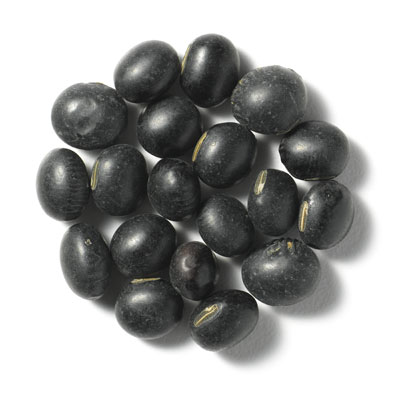
What are Black Soybeans?

I've been hearing a lot about black soybeans in the news (This is mostly due to Dr. Oz's show). I wanted to do some investigating to see how good they really are.

What Are They?
Black soybeans are simply a variety of soybeans, which are seeds from a plant. I found it to be very interesting that mature, dried soybeans can be a variety of colors, including black, brown, and blue. Fresh, undried, soybeans are always green in color.

What Are The Health Claims?
"Eating black soybeans helps you to lose weight, easily, lower cholesterol, and fight inflammation."

What Does the Science Say?
The National Institute of Health's study shows that consumption of various beans may inhibit oxidative stress. Black soybeans showed the greatest improvement in risk factors associated with cardiovascular disease. This study was only conducted on rats thus far. The most consistent effect of soybeans on blood fats has been a moderate lowering of LDL (bad) cholesterol.

Comparison to Regular Soybeans
Black soybeans have less calories, total fat, carbohydrates, and sugars. Regular soybeans, on the other hand, have more fiber and protein.

Health Benefits
Soybeans, in general, are a good source of Vitamin K, Calcium, Magnesium, Iron, Folate, Phosphorus, Potassium, and Fiber. Black soybeans, however, have a higher antioxidant content.

To sum it all up, all types of beans are a great choice for both a vegetable and protein source. Black soybeans have a slightly higher antioxidant content; however, it is not such a big deal if you eat regular soybeans in their place.

Final Bean Tips
-Throw some beans into a soup or stew for a protein boost.
-To use as a simple side dish, cook (sauté, stir-fry, boil, etc) and season with olive oil, onions, and garlic.
-Make "nuts" by roasting chickpeas in the oven. Mix 1 can of chickpeas with 1 Tbsp. olive oil, garlic, salt, and pepper. Spread over a baking sheet and bake at 400 degrees F for 20 minutes. Enjoy as a quick snack!


¨http://www.whfoods.com/genpage.php?tname=foodspice&dbid=79¨http://caloriecount.about.com/calories-seneca-organic-soy-beans-i108429


Monday, September 30, 2013

Health Benefits of Chia Seeds

There's been a lot of hype about chia seeds lately. What are they? What are the health benefits? How the heck do you eat them?!

Let's jump into the research and see what these seeds can do for you!

What are Chia Seeds?
Chia seeds come from the desert plant "Salvia hispanica,"which is grown in Mexico.  They are powerful antioxidants that fight off free radicals in the body.

Fun fact: the word "chia" means strength and these tiny seeds were thought to be great energy boosters.

Health Benefits
Chia seeds are an excellent source of:
 -Omega-3 Fatty Acids (4,915mg per 1oz.); help to improve brain health and decrease inflammation in    the body.
 -Protein (4g per 1oz.); energy source; needed for muscle and blood formation.
 -Fiber (11g per 1oz.); helps improve digestive function; decreases inflammation in the body.
 -Calcium (18% of Daily Value in 1oz.); needed to keep bones healthy and prevent osteoporosis.
 -Phosphorus (27% of Daily Value in 1oz.; ); aids in energy metabolism; also needed for bone health.
 -Zinc (7% of Daily Value in 1oz.); boosts immune function.
 -Manganese (30% of Daily Value in 1oz.); essential mineral needed for bone formation; helps your body use essential B vitamins.

Research has shown chia seeds to help improve blood lipid levels (decreasing LDL and triglyceride levels) and decrease blood sugar spikes by slowing digestion.

How to Eat
There are many ways to eat chia seeds. They can be eaten raw (sprinkled on salads, cereal, sauces, vegetables, yogurt), baked in dishes (breads, muffins, etc), or  mixed with water to form a gel (good as an egg substitute).

To Use As An Egg Substitue
-Mix 1 tablespoon of chia seeds with 3 tablespoons of water. Let sit for 15 minutes.

Granola With Chia Seeds
-Combine: 1 cup oats, 2 tbsp chia seeds, 2 tbsp honey, 1 tbsp oil, cinnamon, and nutmeg. Spread evenly onto a sprayed baking sheet. Bake at 300 degrees F for 15 minutes.


www.webmd.com/diet/features/truth-about-chia
www.eatright.org/public/content.aspx
nutritiondata.self.com/facts/nuts-and-seed-products

Tuesday, August 20, 2013

Give Your Meal a Nutritious Boost

Looking for some ways to boost the nutritional content of your meal? Try out some of these quick and easy tips!

Breakfast
-Have leftover chicken from dinner? Forget your traditional cereal breakfast and go for a protein-packed, filling meal.
-Top oatmeal or cold cereal with sliced bananas, strawberries, or blueberries for some vitamins, minerals and fiber!
-Whip up an omelet with cancer-fighting veggies. Add avocado for some healthy fats.
-Instead of adding sugar to oatmeal, try some cinnamon instead.
-When making waffles or pancakes, sneak in some protein powder for a quick boost.
-Blend together a quick smoothie with fresh fruit and nut butter for a filling treat!

Lunch/Dinner
-Add extra veggies to your soups and salads.
-Add avocado slices to your sandwich for a boost of Vitamin E, Potassium, healthy fats, and Folate.
-Top spinach salads with tomatoes or fresh oranges. The Vitamin C in the oranges/tomatoes will help you to absorb the iron from the spinach.
-Food process mixed nuts, coconut oil, and cocoa powder for a nutty spread.
-Shred carrots or zucchini into meatloaf (or muffins) to add nutrients and fiber.
-Bread chicken in coconut or almond flour for extra fiber and protein.

Tuesday, April 30, 2013

Cholesterol: What You Need to Know

True or False?: The highest predictor of high blood cholesterol is eating high cholesterol foods.
          False: The main culprit to raising blood cholesterol is saturated fat.

True or False?: Lack of physical activity is a risk factor for heart disease.
          True: Regular physical activity lowers your LDL (bad cholesterol) levels and can raise your      HDL (good cholesterol) levels.

Let's break down what this all means:

What is Cholesterol?
Cholesterol is a fatty-like substance that the body uses for many chemical processes. Cholesterol is used to produce sex hormones, is converted to bile acids to help digest food, and it builds and repairs cells.

How Does Cholesterol Cause Heart Disease?
When there is too much cholesterol in your blood, it builds up in the walls of your arteries. This buildup causes the arteries to become narrowed. Thus, blood flow to the heart is slowed down or blocked. If the blood supply is completely cut off by a blockage, the result is a heart attack.

What is LDL (Bad) Cholesterol?
LDL is called the "Bad" cholesterol because it collects in the walls of your blood vessels and causes blockages. Eating a high saturated fat diet increases your levels of LDL cholesterol.

What is HDL (Good) Cholesterol?
HDL acts as a maintenance crew for your blood vessels by removing harmful cholesterol. HDL transports LDL to the liver where it can be reprocessed.

Additional Factors That Affect Cholesterol
-Obesity
-Lack of physical activity
-Cigarette smoking
-High blood pressure
-Family history of heart disease
-Age (men >45years)(women >55years)

Now on to the fun part! Here is what you can do to decrease your cholesterol! 
1. Decrease the amount of saturated fats in your diet. A goal for saturated fat is to aim for less than 7% of your calories.
2. Maintain a healthy weight!
3. Include physical activity every day!
4. Increase the amount of fiber in your diet!
5. Eat fruits and vegetables! They have no cholesterol; but, they are packed with fiber!


Tuesday, April 2, 2013

Simple Vs. Complex Carbohydrates

Carbohydrates are a hot topic nowadays. Carbs are good. Carbs are bad. Eat complex. No wait, it doesn't matter! We are going to delve into a small portion of the carb-ness craze today and talk about what simple and complex carbs are. 

Let's go with the simple carbs first. Simple carbs are constructed from one or two sugar molecules, which makes them easier to digest. Six important simple carbs include: glucose, fructose (fruit sugar), galactose (found in milk), maltose (malt sugar), sucrose (table sugar), and lactose (milk sugar). Complex carbs, on the other hand, are made up of chains of multiple sugar molecules. This makes them take longer to digest. Complex carbs include starches (grains, legumes, vegetables) and fiber. 

Now, on to the fun part. You consume a simple carbohydrate and your body breaks down, absorbs and stores the sugars. Then, you consume a complex carbohydrate and the same thing happens! Your body breaks down, absorbs, and stores the sugars. Your body is unable to distinguish between the carbohydrates found in whole foods (like fruits and vegetables) and the carbohydrates found in food-like products (like candy and chips).  Crazy, right? Chemically, these sugars are the same. So why don't we just eat candy bars instead of fruit? Well, foods with naturally occurring sugars contain many vitamins and minerals that promote health. Also, like in the case of fruit, these foods contain fiber, which is also important for your health.

There is a further slight difference in the breakdown of carbohydrates. Simple carbs are metabolized quickly and provide a short dose of energy for your body. Starches take longer to digest; however, in the end, they are broken down into simple sugars anyway. Fiber, because of it's toughness and stringiness, does not break down in the body completely, thus it is beneficial for digestion and adds bulk to food without adding extra calories. 

In the end, it's all relative and comes down to the basics of sugar. (Minus fiber, see my article on fiber for more information). With that said, I leave you with a poem!

Carbs, carbs everywhere! Simple, complex! Should we care? 
Featured in each daily trend! Look no further. You have found the end!