Going along with my green theme for March, I wanted to share an awesome avocado recipe that went over extremely well in my latest cooking class. I will admit, I was a bit skeptical on how these fries might turn out; however, with a few seasoning adjustments, I am sold! Before getting into the recipe, I just want to share some quick information about avocados and how to choose/ripen.
Avocados are a powerhouse of nutrients! Just 1/2 has 20% of your daily value for fiber and they are also good sources of potassium, folate, and Vitamin E. One unique thing about avocados is that they are a fruit (many don't believe me when I say this) and have a nice dose of heart-healthy monounsaturated fats. These are the good kinds of fats that help to decrease inflammation in your body.
When selecting an avocado, choose one that is firm, yet will yield a bit to gentle pressure; color is not always a good indicator of ripeness. If you buy avocados that are not ripe, simply throw them in a paper bag and store at room temperature. For faster ripening, add in a kiwifruit (or two). It took about 2 days for me to ripen some rock hard avocados I bought for this recipe. Once ripened, store in the fridge for about 2-3 days. If you store cut avocado, you can sprinkle with lemon/lime juice and wrap tightly to help prevent browning. I always end up trying to use the whole avocado at once since I find it hard to keep them fresh once cut.
Baked Avocado Fries
Prep: 10 minutes
Yield: 4 servings (1/2 avocado each)
Ingredients
2 avocados, peeled and sliced
1/2 teaspoon each: paprika + garlic powder
1 teaspoon onion powder
1/4 teaspoon chili powder
Dash of salt and pepper
1/4 cup water
2 tablespoons lime juice
1.5 tablespoons ground flax seed
1 cup Panko breadcrumbs **
2 tablespoons garbanzo (chickpea) flour
Directions
1. Preheat oven to 425 degrees F. Grease a large baking sheet.
2. In a shallow bowl, mix together flour, spices, salt and pepper.
3. In another shallow bowl, mix together water, lime juice, and ground flax.
4. Place breadcrumbs in a final shallow bowl.
5. Dip avocado slices in flour, liquid, and lastly breadcrumbs. Place on baking sheet and cook for 15-20 minutes.
**I used gluten-free Panko. You can use regular fine breadcrumbs, ground almonds, chia seeds, or even flax seeds for other alternatives.
Optional Cilantro Lime Dip
*Dip recipe adapted from Minimalist Baker
In a blender, combine: 1 ripe avocado, 1/2 cup fresh cilantro (can sub in parsley), 1/4 cup lime juice, 2 tablespoons olive oil, 1/4 teaspoon garlic powder, dash of salt and pepper, and 1/4 cup water.
All about healthy eating as a lifestyle change and not a diet!
Showing posts with label healthy fats. Show all posts
Thursday, March 23, 2017
Friday, April 29, 2016
Tips for Decreasing Your Cholesterol
Maybe you just heard from your doctor that your cholesterol is high and now you have to either take medications or try and bring it down before your next appointment. So, why is this important? Elevated cholesterol levels are just one of the risk factors for heart disease and stroke. Having too much cholesterol in the blood will lead to a build-up in the walls of your arteries. This then leads to "hardening of the arteries" and subsequent slowing of the blood flow to the heart. If this blood flow becomes cut off by a blockage, you could find yourself with a heart attack.
Below, I have 5 tips to get you started on the journey to lowering your cholesterol with your diet!
Tip #1: Increase Your Fiber Intake
Not only does fiber fill you up, but it also binds to cholesterol and excretes it from the body. Aim for at least 25g per day if you are a female and 38g if you are a male. You can find fiber in foods like fruits, vegetables, beans, and whole grains. One thing to remember with fiber is to not go from eating only 5g per day to 25g day in one shot. Slowly increase your intake and drink lots of fluids to avoid any GI discomfort!

Tip #2: Opt for Healthy Fats
Everyone has been demonizing the fats and it is really the type of fat you want to be mindful of. Include more healthy fats like nuts, seeds and avocado, which contain the unsaturated fats that decrease inflammation in the body and also increase your HDL (good cholesterol).
Tip #3: Watch Trans and Saturated Fats
Trans fats are pretty well known for the negative effects on your health; however, the jury is still mixed on saturated fats. While new research shows that saturated fats don't necessarily increase your cholesterol, they also don't offer any benefits like the unsaturated fats do. You can find trans and saturated fats in baked goods, chips, fried foods and more.

Tip #4: Decrease Your Refined Sugar Intake
More and more research studies are showing a link between refined sugars and an increased risk for heart disease. The American Heart Association also found that sugar increases triglycerides in the body. The AHA recommends no more than 24g of added sugars per day for women and no more than 36g for men. This means watching out for the cakes, cookies, ice creams, and sugary beverages.
Tip #5: Make Time for Exercise
Exercise helps to increase your good cholesterol (HDL) and decrease the bad (LDL). It also helps with weight control and decreasing blood pressure. Aim for at least 30 minutes per day (if not more) and mix it up between the cardiovascular (biking, walking, running, swimming, etc) and resistance (push-ups, chest press, leg press, etc) exercises for the greatest benefit!
**As always, check with your doctor before starting an exercise program.
Hopefully, you can find something in this list to start working on to help manage your cholesterol levels. Remember, the best way to start is by evaluating your current diet or exercise program and setting goals for improvement!
Resources: NIH
Below, I have 5 tips to get you started on the journey to lowering your cholesterol with your diet!
Tip #1: Increase Your Fiber IntakeNot only does fiber fill you up, but it also binds to cholesterol and excretes it from the body. Aim for at least 25g per day if you are a female and 38g if you are a male. You can find fiber in foods like fruits, vegetables, beans, and whole grains. One thing to remember with fiber is to not go from eating only 5g per day to 25g day in one shot. Slowly increase your intake and drink lots of fluids to avoid any GI discomfort!

Tip #2: Opt for Healthy Fats
Everyone has been demonizing the fats and it is really the type of fat you want to be mindful of. Include more healthy fats like nuts, seeds and avocado, which contain the unsaturated fats that decrease inflammation in the body and also increase your HDL (good cholesterol).
Tip #3: Watch Trans and Saturated Fats
Trans fats are pretty well known for the negative effects on your health; however, the jury is still mixed on saturated fats. While new research shows that saturated fats don't necessarily increase your cholesterol, they also don't offer any benefits like the unsaturated fats do. You can find trans and saturated fats in baked goods, chips, fried foods and more.

Tip #4: Decrease Your Refined Sugar Intake
More and more research studies are showing a link between refined sugars and an increased risk for heart disease. The American Heart Association also found that sugar increases triglycerides in the body. The AHA recommends no more than 24g of added sugars per day for women and no more than 36g for men. This means watching out for the cakes, cookies, ice creams, and sugary beverages.
Tip #5: Make Time for ExerciseExercise helps to increase your good cholesterol (HDL) and decrease the bad (LDL). It also helps with weight control and decreasing blood pressure. Aim for at least 30 minutes per day (if not more) and mix it up between the cardiovascular (biking, walking, running, swimming, etc) and resistance (push-ups, chest press, leg press, etc) exercises for the greatest benefit!
**As always, check with your doctor before starting an exercise program.
Hopefully, you can find something in this list to start working on to help manage your cholesterol levels. Remember, the best way to start is by evaluating your current diet or exercise program and setting goals for improvement!
Resources: NIH
Labels:
blood pressure,
cholesterol,
diet. exercise,
dietitian,
fiber,
goal setting,
health,
healthy fats,
healthy living,
heart healthy,
nutrition,
refined sugars,
saturated fats,
tips,
trans fats,
weight loss
Sunday, October 5, 2014
Vegetarian Chickpea Salad
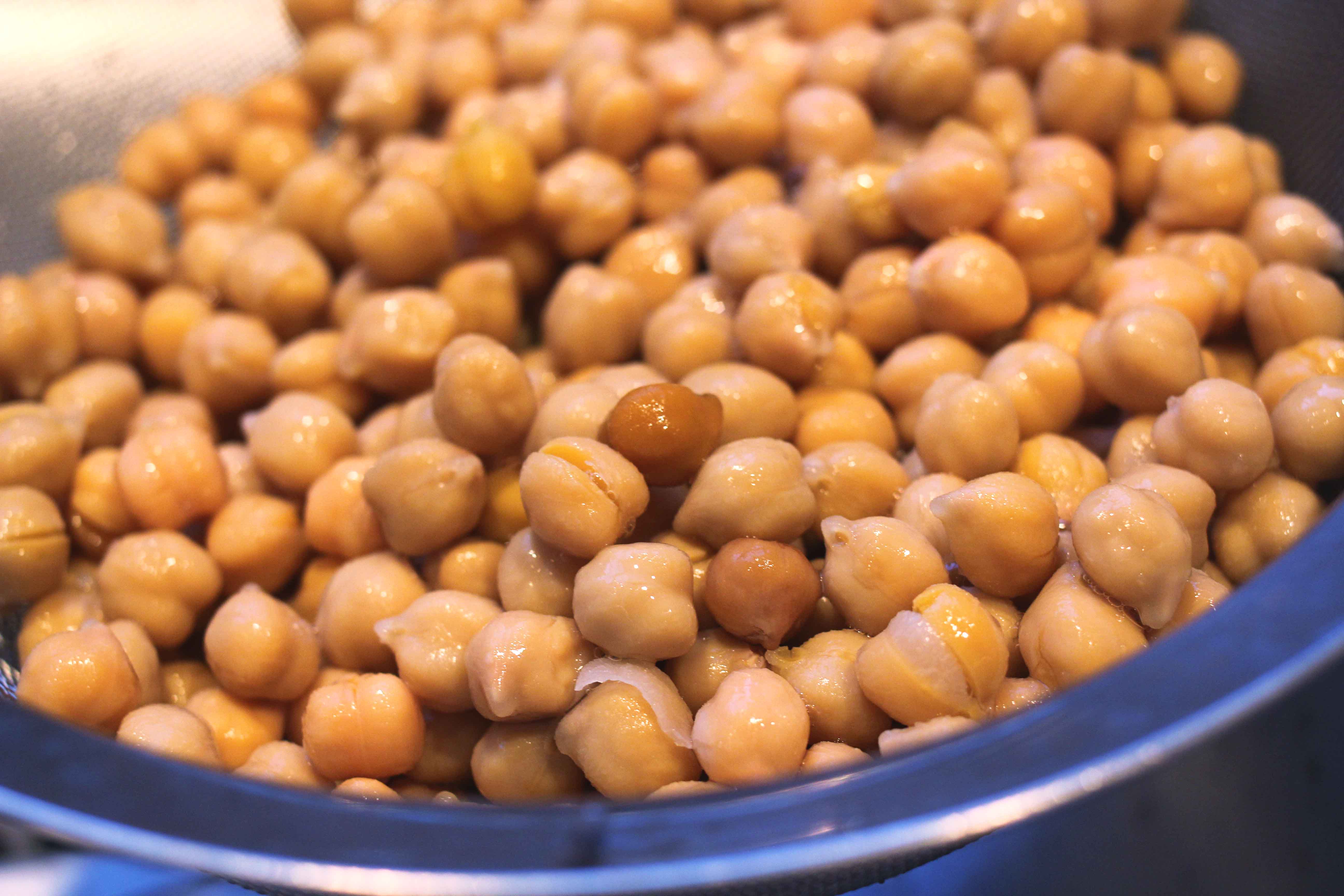
At my latest work demonstration, I tried out a new recipe for my vegetarian clients. It is very similar to how a tuna salad is made; however, chickpeas are subbed for the tuna. Came out way better than I was expecting and it was a 100% success (in terms of acceptability by testers)! Chickpeas are a great source of molybdenum (works to breakdown protein in the body), manganese, folate (prevents neural tube defects), copper, and iron. One serving of chickpeas (1/2c) provides 6g fiber and 6g protein. For those of you who are not vegetarian (or are lacto-ovo vegetarians), eggs would be another great addition to boost the protein content!
Vegetarian Chickpea Salad
Ingredients
1 (15-ounce) can chickpeas, drained and rinsed
2 stalks celery, chopped
1/2 onion, diced
1T mayonaise (can sub avocado for a healthy fat)
1T lemon juice
1 tsp. dill weed
Dash salt and pepper
Directions
1. Mash chickpeas in a large bowl.
2. Add rest of ingredients to bowl and mix well.
Options for Serving
-On a bed of lettuce, no dressing needed!
-As a dip for veggies (carrots, celery, etc) or crackers.
-Wrapped in lettuce leaves for a snack or appetizer.
-As a starchy side dish for chicken or fish.
Enjoy!!
http://www.whfoods.com/genpage.php?tname=foodspice&dbid=58
http://nutritiondata.self.com/facts/legumes-and-legume-products/4327/2
Vegetarian Chickpea Salad
Ingredients
1 (15-ounce) can chickpeas, drained and rinsed
2 stalks celery, chopped
1/2 onion, diced
1T mayonaise (can sub avocado for a healthy fat)
1T lemon juice
1 tsp. dill weed
Dash salt and pepper
Directions
1. Mash chickpeas in a large bowl.
2. Add rest of ingredients to bowl and mix well.
Options for Serving
-On a bed of lettuce, no dressing needed!
-As a dip for veggies (carrots, celery, etc) or crackers.
-Wrapped in lettuce leaves for a snack or appetizer.
-As a starchy side dish for chicken or fish.
Enjoy!!
http://www.whfoods.com/genpage.php?tname=foodspice&dbid=58
http://nutritiondata.self.com/facts/legumes-and-legume-products/4327/2
Monday, September 8, 2014
Avocados: Health Benefits and Dip Recipe!
Fun Fact: Did you know an avocado is also known as an alligator pear? This is because of the shape, green skin, and rough texture!
| One of my favorites! |
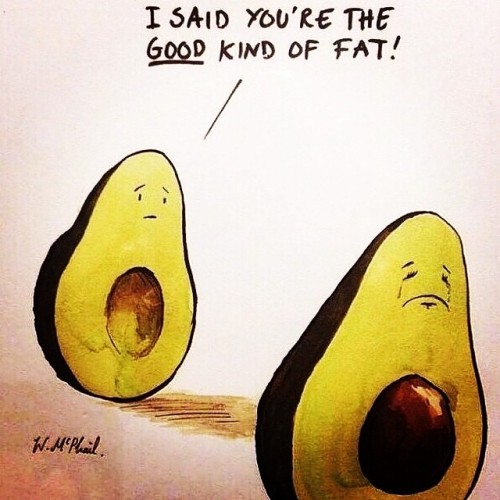
If anyone has ever seen a "SlimCado" at the supermarket, it is promoted as having less calories and fat. I tried one before and they are honestly gross. They were watery and just didn't have that rich "Avocado-flavor." Not to mention, the fats in avocados are heart-healthy and help to decrease inflammation in the body! (Hence my picture to the right).
1 cup provides 15g Monounsaturated fats, 3g Polyunsaturated fats, 10g fiber, 39% of DV for Vitamin K, 30% of DV for Folate, 25% of DV for Vitamin C, 21% of DV for Potassium, 16% of DV for Vitamin E, and 165mg of Omega-3 Fatty Acids!
Avocado Pesto Dip
Ingredients:
2 avocados
**To prevent your sliced avocado from browning, sprinkle with lemon juice.
2 tsp. basil
2 garlic cloves, minced
1/4c Parmesan cheese (I added a little more for a cheesier taste)
2T olive oil
2T parsley
Dash salt
Directions:
1. Food process (or use hand blender) to mix all ingredients. (Seasonings can be altered to taste).
2. Enjoy with fresh veggies (or crackers/pretzels).
http://www.webmd.com/diet/features/8-healthy-facts-about-avocados
http://nutritiondata.self.com/facts/fruits-and-fruit-juices/1843/2
http://www.whfoods.com/genpage.php?tname=foodspice&dbid=5
Subscribe to:
Posts (Atom)